Tracing the Unexpected Influence of Poker Lexicon on Feature Design in Emerging Social Wagering Platforms
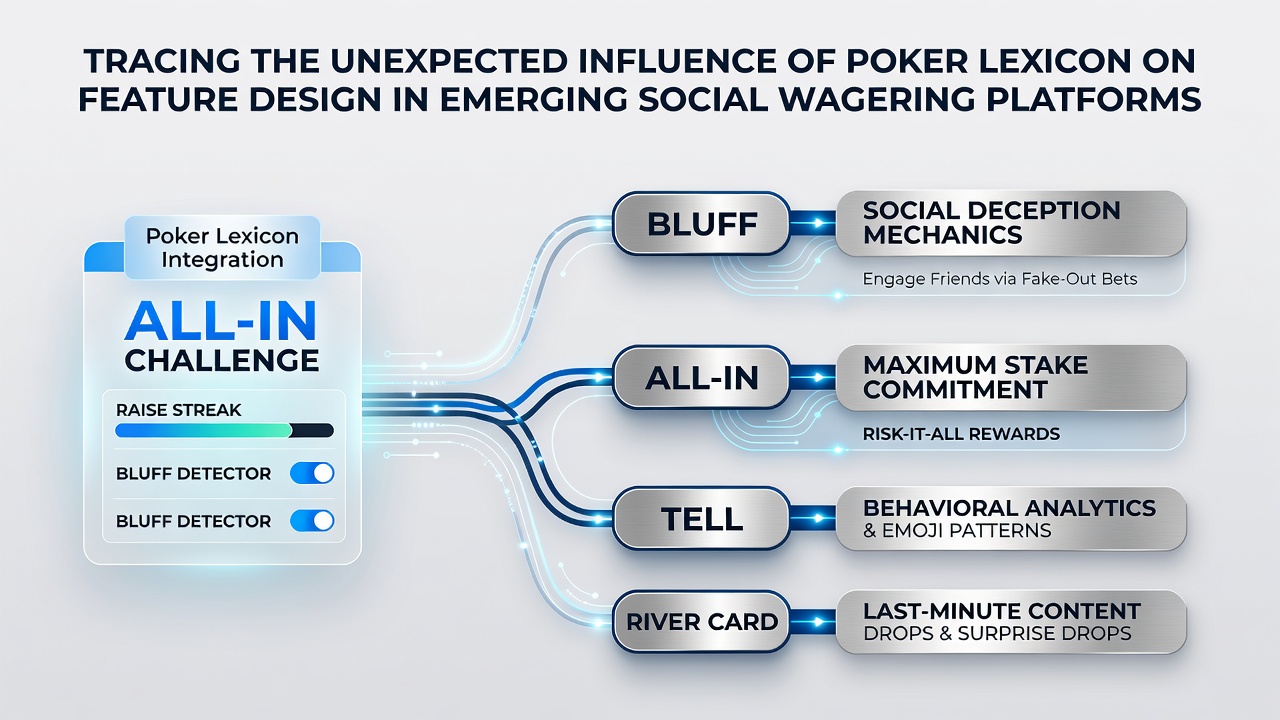
Terms such as "bluff," "all-in," "fold," and "showdown" have moved beyond traditional card tables into the architecture of social wagering platforms where users place bets on sports events and contests with friends, and this migration shapes user interfaces as well as core mechanics. Developers incorporate these words into button labels, chat functions, and progress indicators because the phrases already carry built-in recognition among participants who encounter them in digital environments.
Origins of Lexicon Transfer
Observers note that many social wagering applications began as extensions of poker rooms or fantasy sports sites, so engineers reused familiar language to reduce onboarding friction. Research from academic groups at institutions including the University of Nevada Las Vegas documents how shared terminology accelerates user comprehension when new platforms launch in crowded markets. Data collected through 2025 shows that apps employing poker-derived labels recorded higher initial session lengths compared with those relying solely on generic sports-betting vocabulary.
Platform teams map concepts such as "pot" to collective prize pools and "raise" to increased stake options, creating consistent mental models across different game types. This reuse pattern appears in both mobile and browser versions, allowing users to switch between devices without relearning controls.
Feature Implementations in Current Platforms
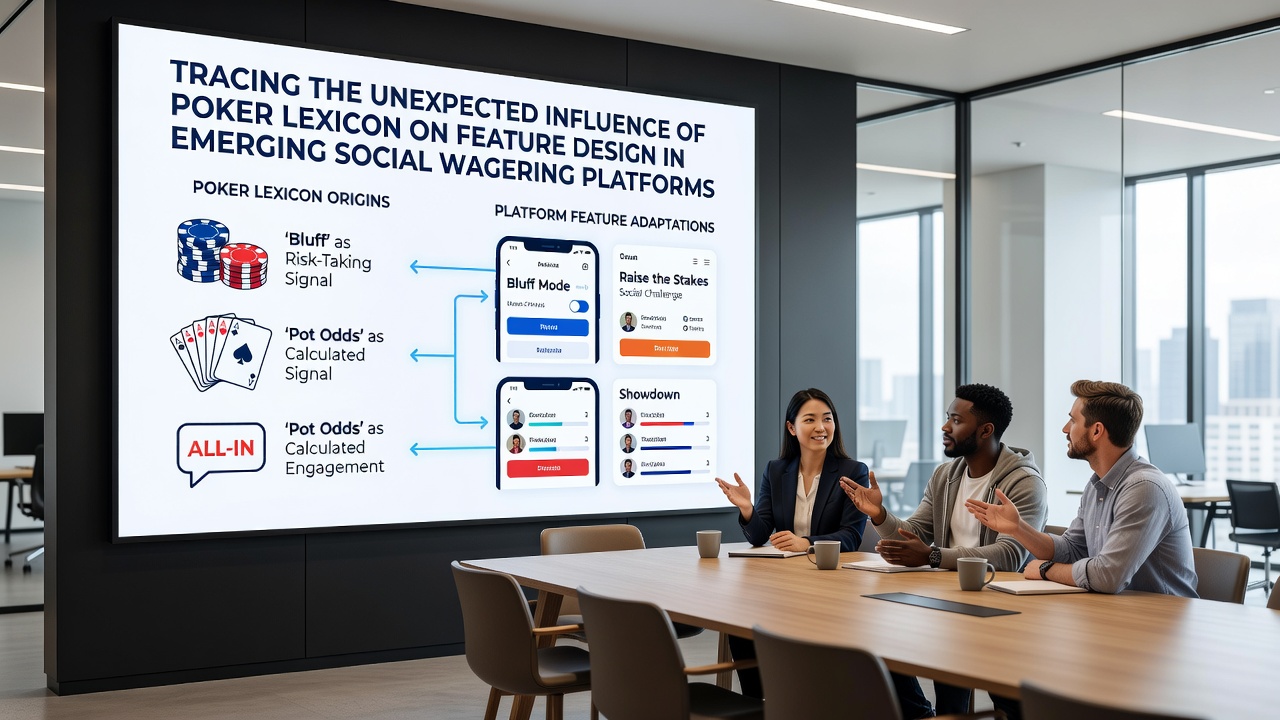
Designers embed bluff mechanics into prediction tools where participants can signal low-confidence wagers to friends through temporary visibility toggles, mirroring the information asymmetry found in poker. These toggles often display alongside standard bet slips, and they trigger animated indicators drawn from poker table graphics. Social feed algorithms then surface these signals to encourage group discussion before events conclude.
All-in modes appear in time-limited challenges that lock remaining balance into a single outcome, preventing partial withdrawals once the option activates. The implementation draws directly from tournament structures and has been adopted by several emerging platforms operating across North America and Australia. Figures released by industry associations indicate that such modes increase average wager size by measurable margins during peak viewing periods for major sporting events.
Regulatory and Market Context in Mid-2026
During July 2026 several North American operators introduced updated compliance dashboards that reference poker-derived audit trails to track user behavior across social features. These dashboards allow regulators to review sequences of "fold" actions and "raise" patterns without requiring separate terminology training. Reports from the Nevada Gaming Control Board highlight how standardized language simplifies cross-jurisdictional data sharing when multiple states review the same platform.
Industry organizations such as the American Gaming Association have published guidelines that encourage consistent use of established poker terms in user-facing documentation, noting that such consistency supports responsible-play messaging. The guidelines reference studies showing reduced misinterpretation rates when interfaces avoid entirely novel phrasing.
Examples from Platform Development
One development team working on a sports-focused social app integrated a "showdown" summary screen that displays final bet resolutions alongside historical performance metrics, a layout adapted from poker hand histories. Users who access these screens receive aggregated statistics on prior decisions, which encourages review similar to post-hand analysis in card rooms.
Another case involves chat modules that flag messages containing the word "bluff" and route them into moderated channels, a feature designed to maintain platform tone while preserving the playful language participants already employ. Implementation logs from these modules demonstrate that the filter captures context without blocking routine conversation flow.
Impact on User Retention Metrics
Retention data compiled by research firms tracking the sector reveals that platforms incorporating at least three poker-derived terms in primary navigation menus retain users for additional sessions within the first thirty days. The correlation holds across different age cohorts and geographic regions served by the applications. Analysts attribute the pattern to reduced cognitive load when familiar words guide new interactions.
Design iterations continue to test variations such as localized translations of "ante" for markets outside English-dominant areas, with early results indicating that direct equivalents maintain engagement levels when visual cues remain consistent. These tests occur alongside broader updates scheduled for late 2026.
Conclusion
The migration of poker lexicon into social wagering platforms continues through deliberate design choices that leverage existing user knowledge, and evidence from regulatory reports as well as platform analytics supports the ongoing integration. Future updates will likely refine these elements further as additional jurisdictions review social features and as developers respond to measured user behavior patterns.