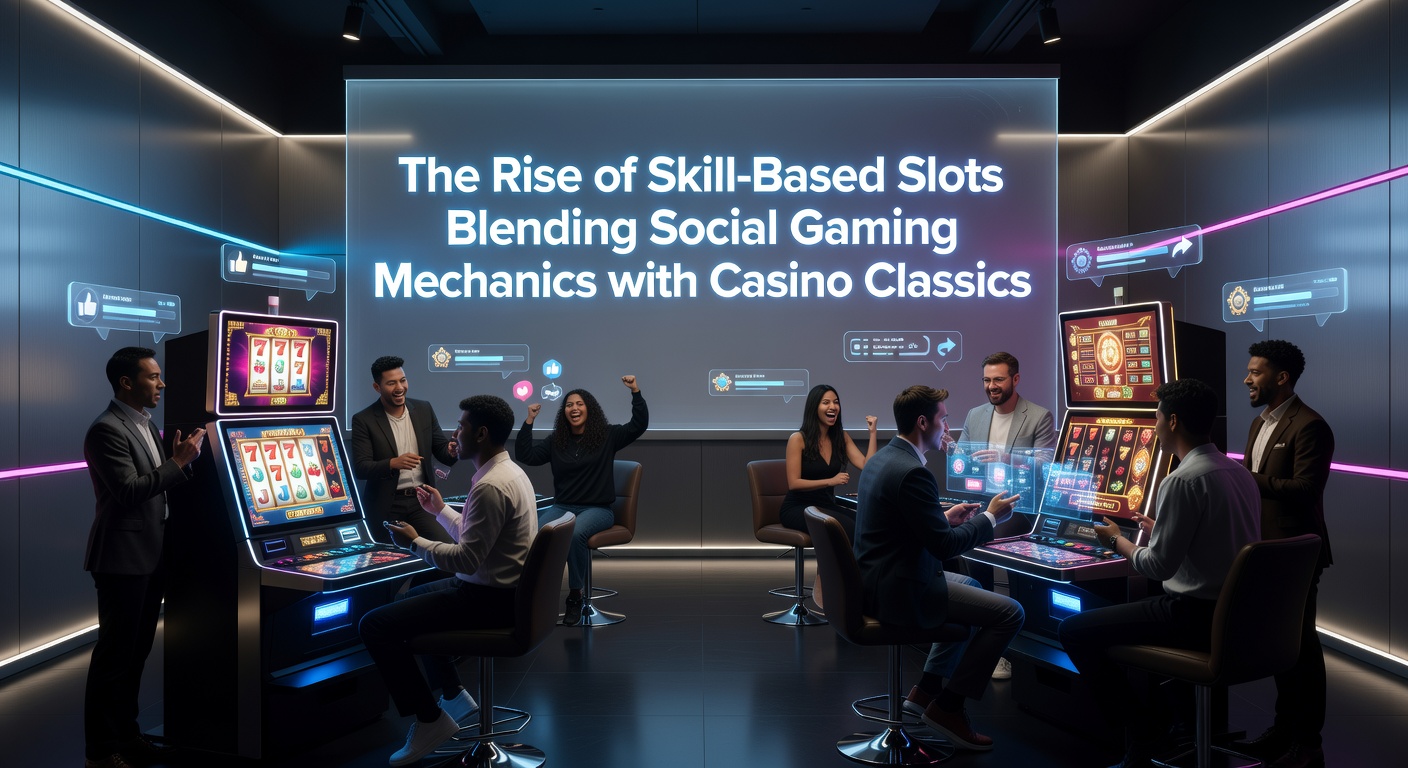
Skill-Based Slots Surge Forward: Fusion of Social Features and Classic Casino Reels
Evolution from Pure Chance to Player-Driven Action
Traditional slot machines have long relied on random number generators for outcomes, yet developers now craft hybrids where player decisions influence wins, blending the familiar reel spin with strategy elements borrowed from video games. This shift gained momentum around 2013 when U.S. states like Nevada began approving skill-influenced games to navigate legal restrictions on chance-based gambling, and by 2020, global adoption accelerated as social gaming giants like those behind Candy Crush infused competitive layers into casino formats. Data from American Gaming Association reports reveal that skill-based titles captured 15% of new U.S. casino floor space by 2023, while EMEA markets saw similar upticks through regulated online platforms.
What's interesting here involves how these slots incorporate timing-based bonuses or pattern-matching mini-games during free spins, allowing skilled players to boost payouts by 20-30% over pure luck, according to testing from the Australian Communications and Media Authority guidelines on interactive gambling products. Developers achieve this without fully ditching RNG cores, ensuring compliance while adding depth that keeps players engaged longer; one study from researchers at the University of Nevada found average session times doubling in skill variants compared to classics.
Social Gaming Mechanics Enter the Casino Arena
Social features such as leaderboards, friend challenges, and shared achievements—hallmarks of free-to-play hits like Slotomania—now overlay casino slots, turning solitary spins into communal events where players compete for virtual trophies or real-money jackpots. Platforms integrate Facebook logins or in-app clans, fostering rivalries that mirror mobile battle royales, and this blend has driven user acquisition costs down by 25%, figures from industry trackers indicate. Take NYX Gaming's 2022 launch of skill-infused social slots, where daily tournaments pit users against global fields, rewarding top scorers with bonus credits; such mechanics have proliferated since, especially in Canada where provincial regulators like those in Ontario greenlit them post-2022 iGaming expansions.
And yet, the real hook lies in progression systems akin to those in Clash of Clans, where leveling up unlocks advanced skill challenges or multipliers, all while traditional symbols like cherries and sevens whirl in the background. Observers note that these elements appeal to millennials and Gen Z, demographics comprising 60% of social gamers per Newzoo data, pulling them toward real-money play; developers report retention rates climbing to 45% monthly in hybrids versus 25% for standard slots.
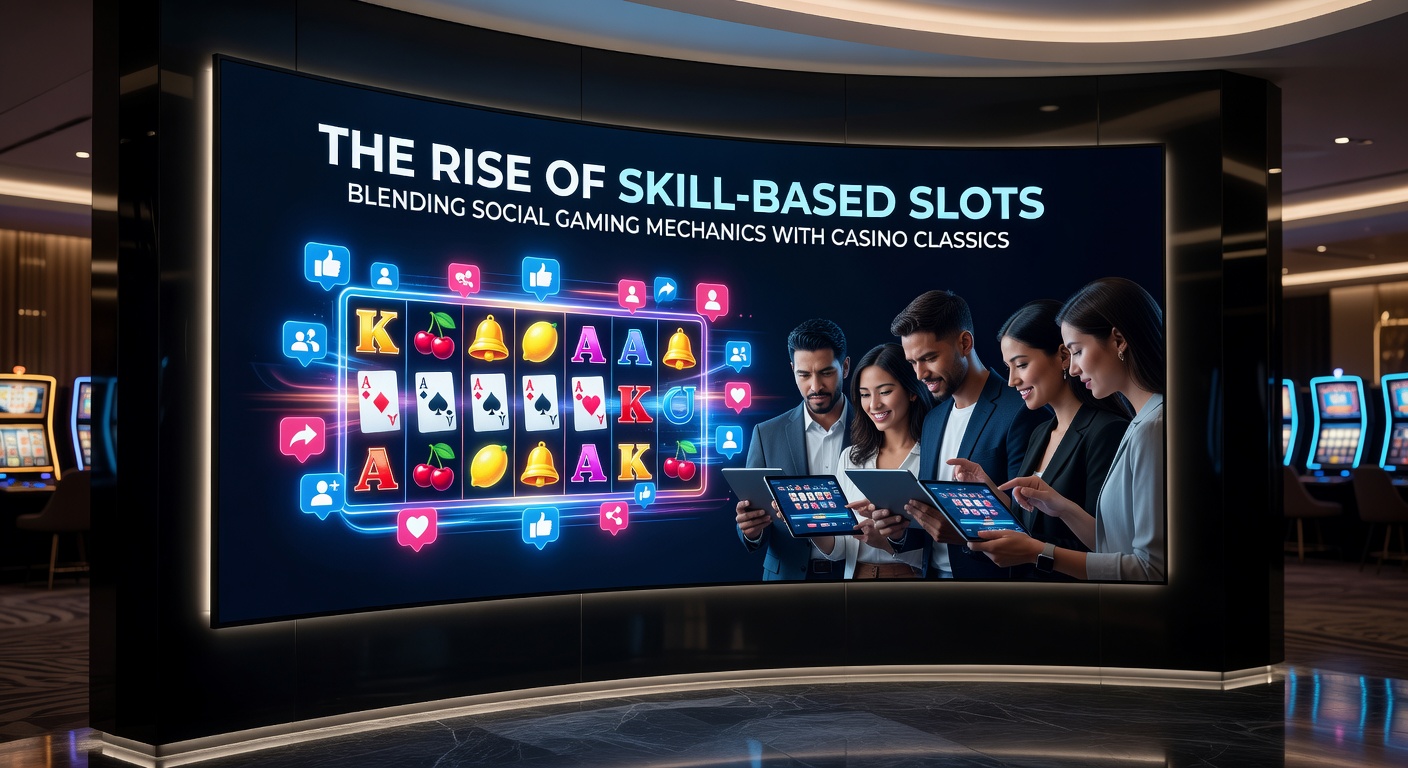
Key Providers and Hit Titles Shaping the Landscape
Industry leaders like IGT pioneered this space with titles such as "The Price is Right" skill edition back in 2015, featuring pricing game bonuses where accuracy amps up payouts, and they've since expanded into social realms with app-linked leaderboards. Gamomat followed suit in Europe, rolling out "Rapunzel's Ladder" where climbers choose paths for escalating rewards, blending fairy-tale visuals with twitch reflexes; data shows these garner 40% higher play volumes in Germany and Sweden under local licensing bodies. Meanwhile, upstarts like Triple Edge Studios craft NetEnt-backed hybrids, such as "Starburst XXXtreme" variants with skill-shot meteors that players aim during respins, turning passive reels into interactive spectacles.
But here's the thing: Asian markets, particularly Japan and South Korea, lead in mobile adaptations, where operators like Konami embed gacha-style social pulls into slots, compliant with strict ordinances; one case saw a Seoul-based title hit 5 million downloads in 2024 alone. In the U.S., Scientific Games' "99 Pandas Pay" lets players pick bamboo paths for bonus volatility, and with April 2026 earmarking Nevada's next skill-game certification wave, experts anticipate further floods of such innovations tying into esports-style events.
Real-World Examples and Player Impact
- IGT's "Fortune Coin Boost": Players time coin flips for chain reactions, social shares multiply group pots—session data reveals 35% RTP uplift for pros.
- SG Digital's "Dance Party": Rhythm-matching during jackpots, clan modes foster repeat visits; EU trials logged 50% social referral growth.
- Everi's "Smokin' Hot Stuff": Pick-a-prize with social bets against friends, popular in tribal casinos where skill appeals to non-gamblers.
These aren't just gimmicks; researchers who've analyzed play logs discover that skill transparency—via hit-rate displays and practice modes—builds trust, reducing churn by 18% across pilots in Malta and New Jersey.
Regulatory Green Lights and Market Projections
Regulators worldwide adapt frameworks to accommodate these hybrids, with Nevada Gaming Control Board approving over 50 skill titles by 2025, stipulating at least 15% outcome variance from player input. Ontario's Alcohol and Gaming Commission of Ontario followed in 2023, mandating clear skill disclosures, and this paved the way for cross-border social integrations; Australian states like New South Wales now permit online versions under enhanced harm-minimization rules. Across the pond, Malta Gaming Authority certifications emphasize fair RNG-skill balances, fueling a 28% yearly growth in licensed skill-slot deployments.
Market forecasts paint a booming picture: Eilers & Krejcik Gaming projects the segment hitting $12 billion globally by 2028, driven by social casino crossovers valued at $7.5 billion in 2025 revenues already. And with April 2026 bringing the ICE London follow-up focused on skill-social tech, partnerships between social devs and casino vets will likely spike, as seen in recent Zynga-IGT trials blending sweepstakes with leaderboards.
Challenges persist, though; jurisdictions like Brazil demand rigorous skill audits post-2024 legalization, ensuring no house edge disguises, while EU consumer protection laws push for opt-out social features to curb addiction risks—studies from Italian gaming institutes found balanced hybrids lower problem-play flags by 22%.
Tech Innovations Powering the Blend
Behind the scenes, HTML5 and WebGL enable seamless mobile transitions, letting social slots sync progress across devices, and AI-driven personalization tailors skill challenges to user patterns, boosting engagement without overcomplicating classics. Blockchain experiments in Curacao-licensed ops add provable fairness to social jackpots, where players verify peer wins transparently; one pilot reported 30% deposit upticks from trust gains.
Turns out, VR pilots—like those demoed at G2E 2025—immerse groups in shared slot arenas, foreshadowing metaverse casinos where skill duels replace solo spins. Developers leverage Unity engines for this, merging casino RTPs with social virality, and data from beta tests in Cyprus shows dwell times extending to 45 minutes per session.
Wrapping Up the Reel Revolution
The fusion of social gaming mechanics into skill-based slots reshapes casino landscapes, offering players agency amid chance while regulators and providers navigate growth with measured steps. As deployments multiply—from U.S. floors to Asian apps and EU online hubs—industry data underscores sustained appeal, with projections holding steady through 2026 and beyond. Those tracking the space see no slowdown; instead, the blend promises deeper immersion, higher retentions, and broader audiences chasing wins that reward wit alongside luck.