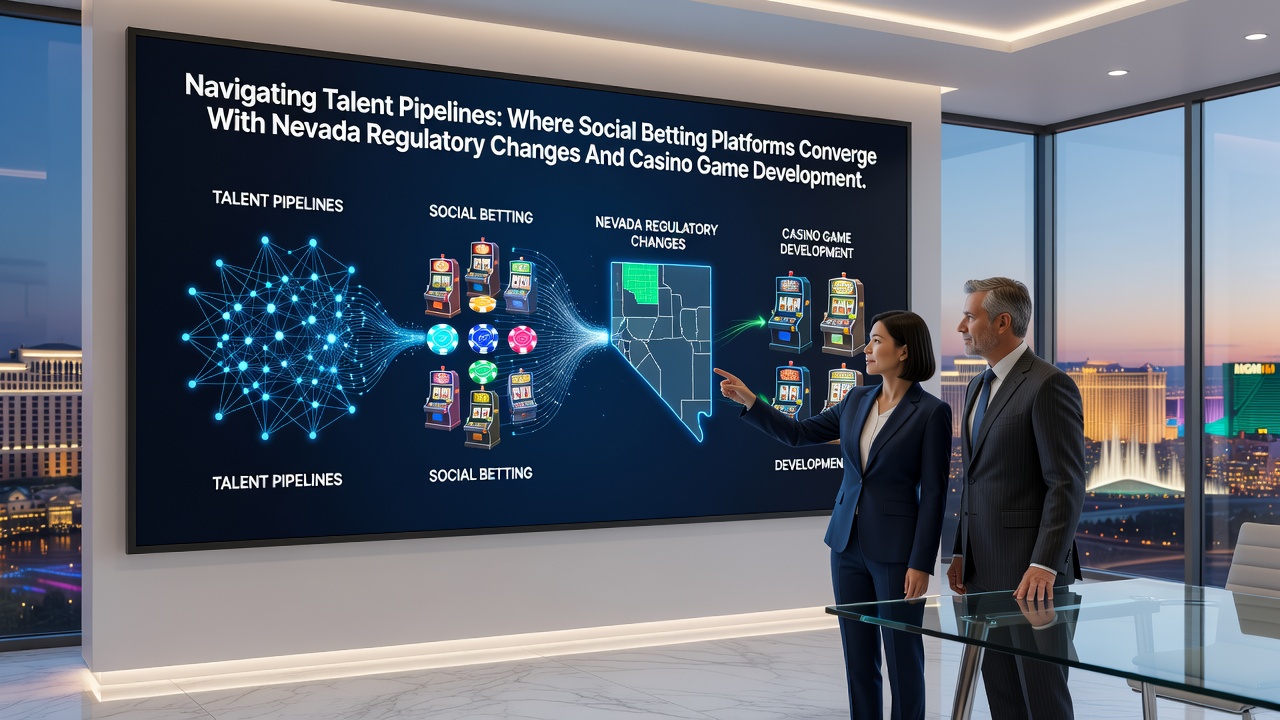
Shifting Talent Pipelines in Social Betting and Nevada Casino Regulation Updates
Industry observers track how social betting platforms integrate with traditional casino operations while Nevada updates its regulatory framework, creating new demands for specialized talent in game development roles. Data from sector analyses show that companies must recruit professionals who understand both digital social features and compliance requirements under state gaming laws. Those who study workforce trends note that the convergence accelerates hiring needs in areas such as real-time multiplayer mechanics and regulatory reporting systems.
Regulatory Framework Adjustments in Nevada
Nevada authorities have introduced revisions to licensing procedures and technology standards that affect social betting operators seeking partnerships with licensed casinos, with several provisions scheduled for full implementation in August 2026. These changes require developers to embed audit trails and player verification tools directly into game code, prompting firms to seek engineers familiar with both social platform APIs and Nevada Gaming Control Board guidelines. Research from academic institutions indicates that updated rules emphasize responsible gaming features, which in turn shapes job descriptions for product managers and compliance specialists.
One documented case involves a Reno-based studio that adjusted its hiring criteria after teh state clarified data-sharing protocols between social apps and casino floor systems, resulting in expanded roles for data analysts who interpret cross-platform metrics. Figures from industry reports reveal steady growth in positions requiring knowledge of both entertainment software and state-specific taxation models.
Skill Sets Driving Game Development Demand
Casino game studios now prioritize candidates who combine experience in social engagement mechanics with expertise in RNG certification processes mandated by Nevada regulators. Talent pipelines draw from universities offering combined programs in computer science and gaming law, while companies run internal training sessions to bridge gaps for existing staff. Observers note that developers proficient in Unity or Unreal Engine alongside familiarity with player data protection statutes fill critical openings faster than those with narrower backgrounds.
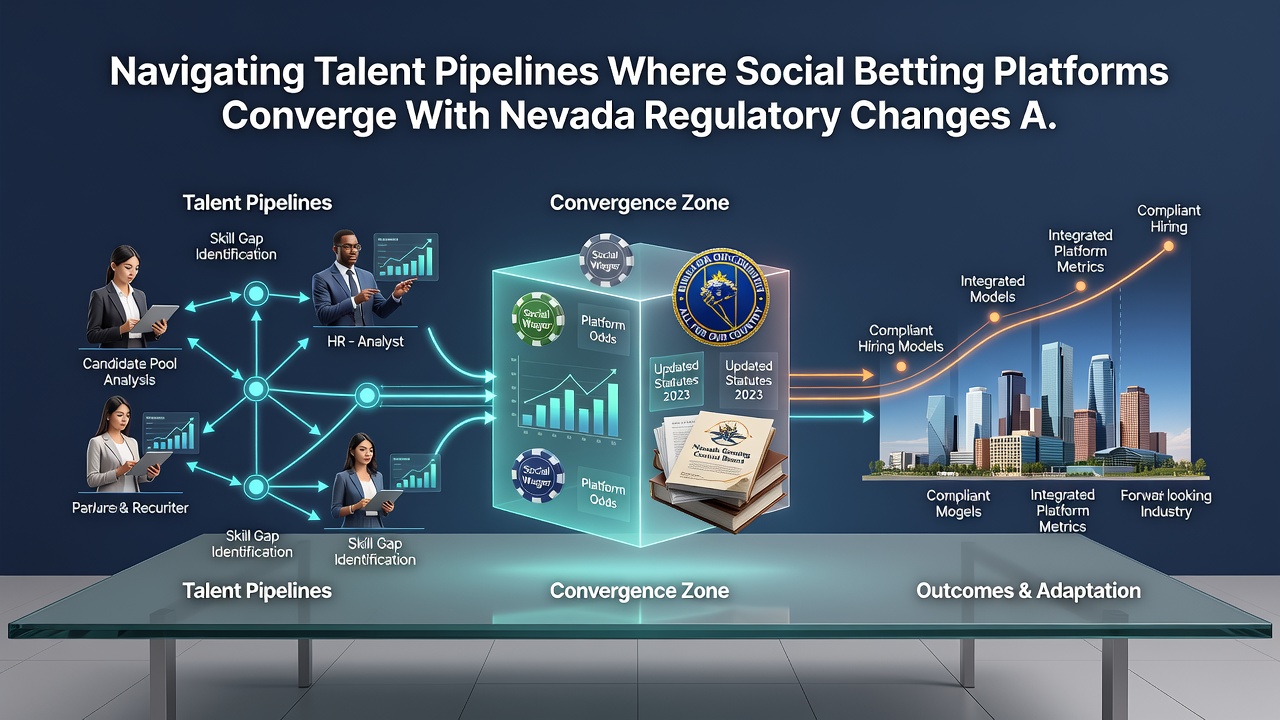
Recruiters report increased competition for roles focused on live dealer integrations that incorporate social betting leaderboards, and they often source candidates through targeted outreach at developer conferences rather than general job boards. Evidence from workforce studies shows that professionals who have previously worked on skill-based slot titles adapt more readily to the hybrid requirements emerging from regulatory updates.
Building Effective Talent Pipelines
Organizations establish partnerships with technical colleges and online learning platforms to create certification tracks that cover Nevada-specific compliance alongside social platform architecture. These initiatives include mentorship pairings where seasoned compliance officers guide junior developers through documentation standards required for game approvals. Data indicates that structured internship programs yield higher retention rates when participants gain exposure to both live casino environments and virtual social features.
Companies that maintain relationships with regulatory consultants gain advantages in identifying emerging skill gaps before August 2026 deadlines take effect. Those who've studied successful models highlight cross-training sessions that combine legal briefings with hands-on coding workshops focused on audit logging and payout verification.
Case Examples from Industry Practice
A Las Vegas development team expanded its pipeline by collaborating with a regional university to sponsor capstone projects addressing social betting mechanics under simulated regulatory constraints, leading to direct hires for several graduates. Another firm adjusted its recruitment timeline to align with anticipated policy shifts, prioritizing candidates who already held security clearances or prior experience with state gaming audits.
Reports from trade associations document how such targeted approaches reduce time-to-hire while ensuring new staff understand both the creative and procedural sides of modern casino game production.
Conclusion
Companies navigating these talent pipelines focus on integrated recruitment strategies that address social betting innovations alongside Nevada's evolving regulatory landscape and casino game development priorities. Workforce data continues to reflect sustained demand for professionals who bridge technical development with compliance expertise, particularly as key provisions approach implementation in August 2026. Those monitoring the sector observe ongoing adjustments in hiring practices and training programs to meet these combined requirements.