Regulatory Shifts in Emerging Markets Reshape Revenue Models for Skill-Based Social Platforms
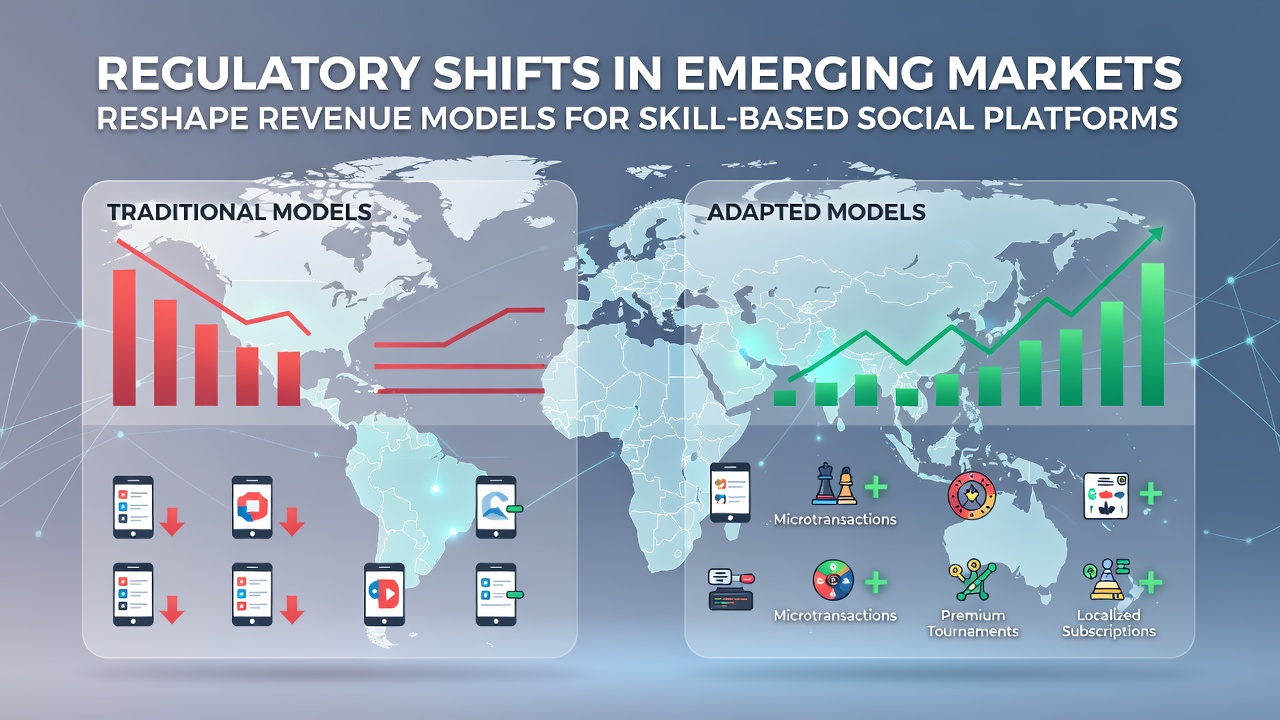
Regulatory adjustments across several emerging economies have begun to alter how skill-based social platforms generate income, and operators now navigate new licensing requirements along with adjusted tax structures that favor certain monetization approaches over others. Data from government filings in Brazil and India shows operators moving away from pure virtual goods sales toward hybrid models that incorporate tournament entry fees alongside advertising partnerships, while compliance costs continue to climb for those maintaining older frameworks.
Market-Specific Regulatory Developments
In Brazil, updates to federal gaming legislation effective in early 2025 introduced clearer distinctions between games of skill and chance, prompting platforms to restructure their offerings so revenue streams align with the new definitions. Observers note that companies operating social betting apps now report increased reliance on subscription tiers that grant access to skill competitions, because direct monetization of chance-based elements faces stricter oversight from the national lottery oversight body. This transition appears in earnings statements where subscription revenue rose by 28 percent year-over-year in the first quarter of 2026.
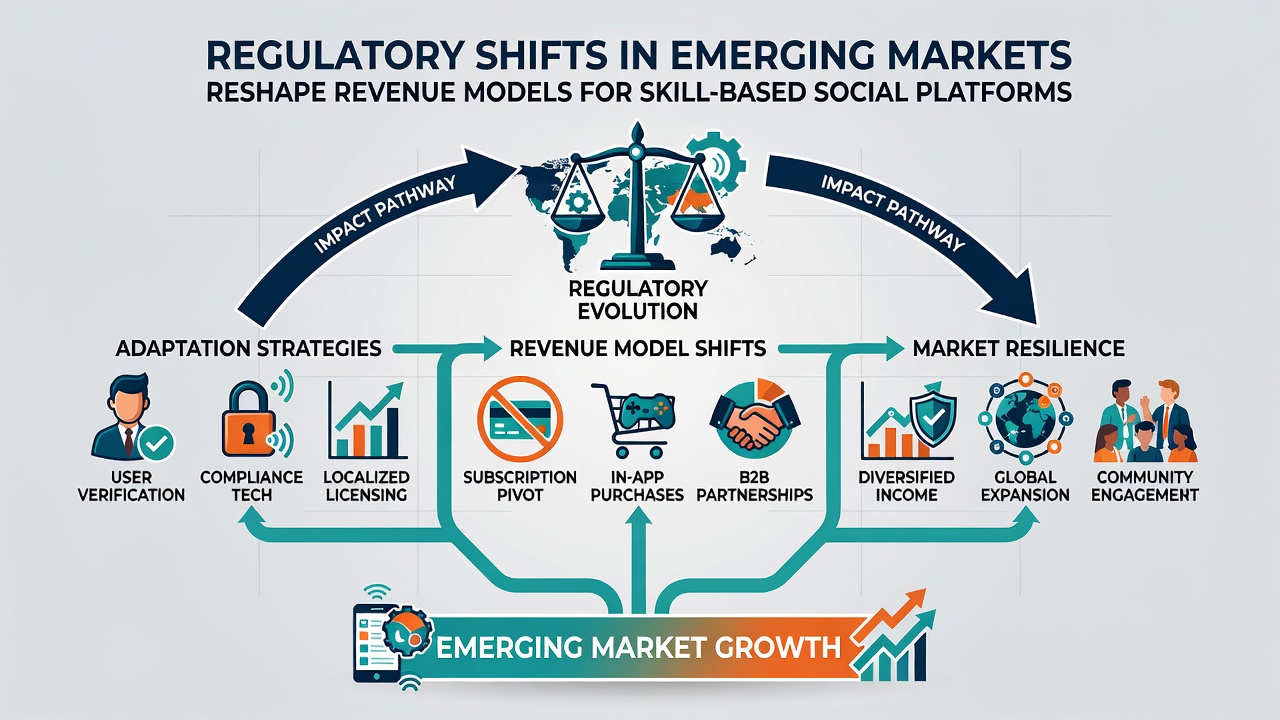
India's state-level variations in skill gaming rules have created a patchwork environment, yet central government guidelines issued in late 2025 encouraged platforms to implement age-verification systems and transaction caps. Those who've studied these policies know the changes pushed several operators to emphasize premium content libraries funded through monthly memberships, while reducing emphasis on one-time in-app purchases that previously drove the majority of earnings. Research indicates similar patterns emerging in Vietnam and Indonesia, where digital service taxes now apply more uniformly to interactive entertainment companies.
Revenue Model Adaptations
Platforms have responded by integrating advertising networks that comply with local content rules, allowing revenue diversification without triggering additional licensing hurdles. A case study from one major operator in Southeast Asia revealed that partnerships with regional media firms generated stable income streams once regulators limited direct user-to-user wagering mechanics. These arrangements often include revenue-sharing agreements tied to viewership metrics rather than player deposits, which helps avoid classification as traditional gambling activities.
Figures released by industry associations show that skill-based platforms allocating at least 35 percent of their development budgets to compliance tools achieved faster market entry in regulated jurisdictions. Meanwhile, those slow to adapt encountered temporary service suspensions in multiple provinces, forcing rapid pivots toward enterprise-level B2B licensing deals that provide white-label technology solutions to local partners.
Impact on User Engagement and Platform Features
Design teams at several platforms introduced new progression systems that reward consistent participation through loyalty points redeemable for tournament entries, reducing dependence on direct currency purchases. According to analytics shared at regional industry forums, retention rates improved when these systems replaced older pay-to-progress models that clashed with updated consumer protection mandates. Developers also expanded social features such as team-based competitions, which generate revenue through sponsorship integrations rather than individual microtransactions.
June 2026 marks the scheduled implementation date for additional transparency requirements in several African markets, where operators must disclose algorithmic fairness metrics for skill-matching systems. Platforms preparing for these rules have already begun publishing quarterly reports on match outcomes, a step that builds user trust while creating opportunities for premium analytics subscriptions aimed at serious competitors.
Strategic Partnerships and Future Outlook
Collaboration between technology providers and local payment processors has accelerated, because many emerging markets now mandate domestic financial rails for all user transactions. One study conducted by a research institute in Singapore highlighted how these partnerships lowered processing fees by an average of 12 percent for compliant platforms, freeing capital for feature development. Academic papers examining similar transitions in Latin America suggest that diversified revenue portfolios including merchandise tie-ins and live event streaming will become standard by late 2027.
Those tracking regulatory trends understand that platforms maintaining flexible backend architectures adapt more readily when new rules emerge, whereas rigid legacy systems require costly overhauls. Evidence suggests continued evolution toward models that blend advertising, subscriptions, and enterprise services, allowing operators to balance compliance demands with sustainable growth across multiple jurisdictions.
Conclusion
Regulatory shifts continue to influence how skill-based social platforms operate in emerging markets, driving measurable changes in revenue composition and operational priorities. Companies that align their monetization strategies with local requirements demonstrate stronger positioning for sustained presence, while data from multiple regions illustrates the tangible effects of these adaptations on business performance.