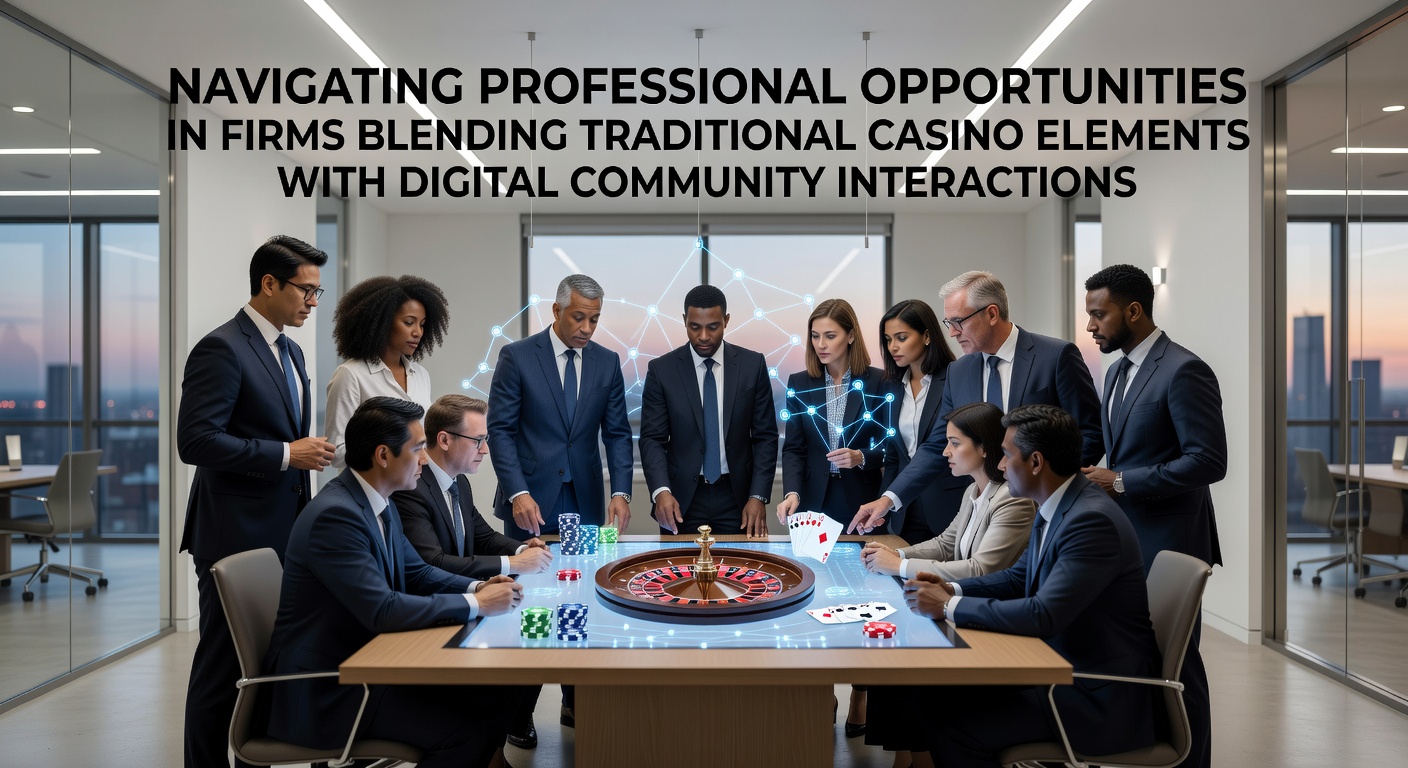
Professional Pathways in Hybrid Casino-Social Gaming Enterprises
Companies that merge classic casino floor aesthetics with interactive online communities have created distinct employment landscapes where roles span physical venue management and digital engagement strategies, and these firms continue to expand their teams as market data shows steady growth through 2025 and into projections for June 2026.
Observers note that job seekers often find openings in areas like community moderation for live dealer streams, data analytics for player retention across both real and virtual tables, and compliance coordination that satisfies land-based regulations alongside digital platform rules, while positions in user experience design incorporate elements such as slot machine visuals into mobile interfaces.
Core Competencies Required for These Roles
Professionals entering this sector typically demonstrate proficiency in multiple areas simultaneously because the work demands fluency in traditional gaming operations combined with social media dynamics, and candidates who hold certifications from bodies like the Nevada Gaming Control Board alongside digital marketing credentials tend to stand out during recruitment cycles according to industry hiring patterns.
Technical skills in CRM platforms that track both in-person loyalty points and virtual community badges prove valuable, whereas soft skills such as conflict resolution help staff manage disputes that arise in shared online forums modeled after casino chat features, and many employers list requirements for experience with analytics tools that measure engagement metrics across hybrid environments.
Emerging Positions and Daily Responsibilities
Roles like hybrid community managers coordinate events that replicate casino tournaments within app-based groups, and these positions require monitoring real-time interactions while ensuring content aligns with jurisdictional standards from regulators in regions such as Australia and Canada. Game designers focused on social layers often adapt reel mechanics from physical machines into features that encourage group challenges, and data from the American Gaming Association indicates such innovations drive higher retention rates in blended products.
Marketing specialists in these firms develop campaigns that promote both physical properties and their digital extensions, using segmentation strategies that target players who frequent land-based venues yet participate in online leaderboards, and positions in regulatory affairs ensure seamless transitions between offline audit trails and digital transaction logs.
Industry Developments Shaping Career Options
Market reports reveal that firms blending these elements have increased hiring in technical support teams capable of troubleshooting issues across physical kiosks and mobile community hubs, while project managers oversee integrations between legacy casino software and new social APIs. In June 2026 several trade events are scheduled to highlight workforce needs in this space, offering networking opportunities that connect candidates with employers actively scaling operations in North America and Europe.
Research from institutions such as the University of Nevada, Reno has examined how employee training programs address the unique demands of these hybrid settings, and findings show structured modules on both responsible gaming protocols for in-person settings and digital community guidelines improve staff performance across departments.
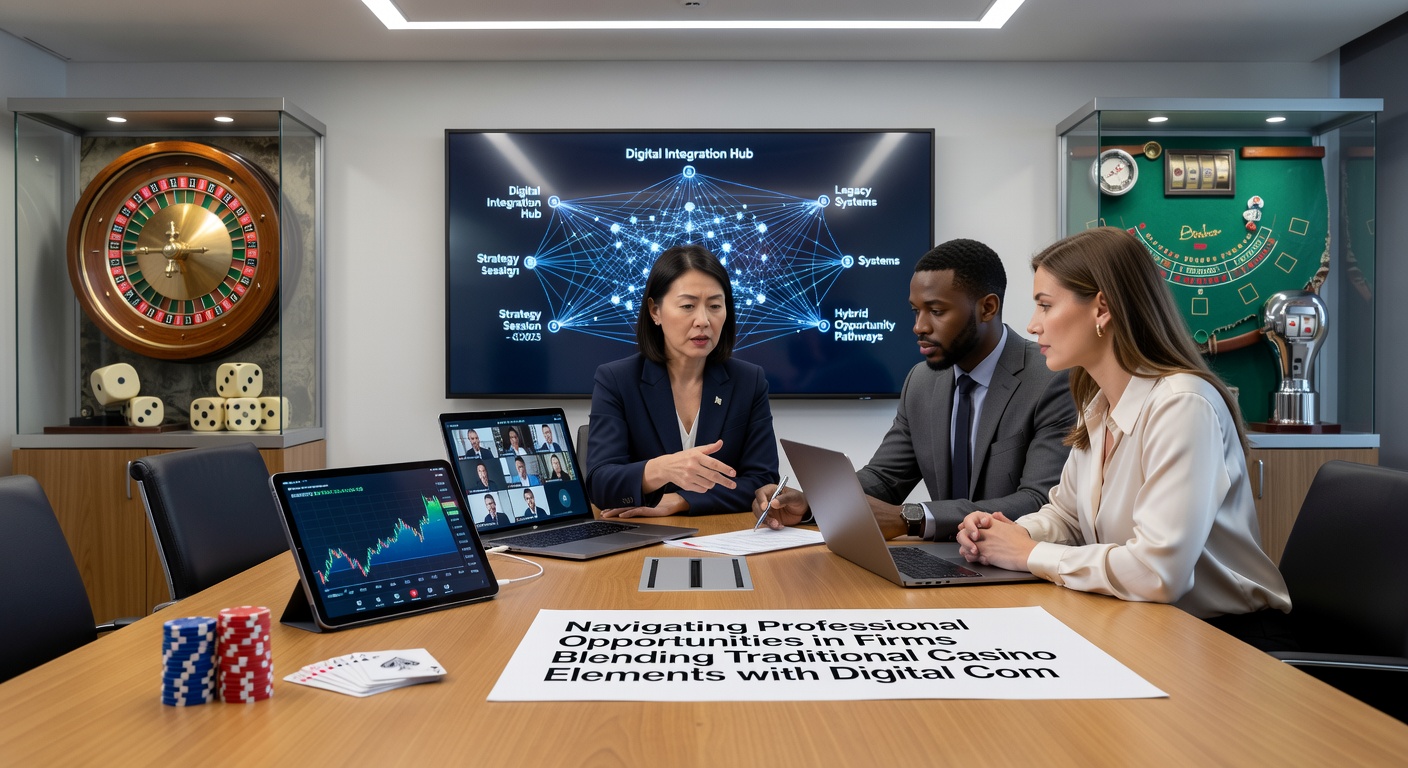
Compensation structures often include performance bonuses tied to metrics like cross-platform player growth, and benefits packages frequently cover continued education in areas such as cybersecurity for community data or advanced gaming law updates from multiple jurisdictions.
Navigating Application and Advancement Processes
Applicants succeed when they tailor resumes to highlight transferable experience from either traditional casino environments or social platform management, and networking through associations like the Canadian Gaming Association opens doors to unadvertised roles that combine oversight of physical floors with digital moderation duties. Internal mobility remains common because employees who master one side of the hybrid model frequently advance into supervisory positions that span both domains.
Background checks incorporate reviews of social media history in addition to standard gaming license screenings, and those who maintain professional online presences aligned with community standards often progress faster through vetting stages. Mentorship programs pair new hires with veterans who have navigated similar transitions, providing guidance on balancing regulatory compliance across physical and virtual touchpoints.
Conclusion
Firms operating at the intersection of traditional casino elements and digital community interactions present structured career routes supported by expanding market data and targeted training initiatives, and professionals who build versatile skill sets position themselves for sustained advancement as the sector evolves through 2026 and beyond. Resources from government agencies and academic centers continue to inform hiring practices, while industry events scheduled for mid-2026 offer timely entry points for qualified candidates seeking roles in this integrated space.