
Nevada Regulatory Updates Reshaping Backend Positions in Social Gambling Startups
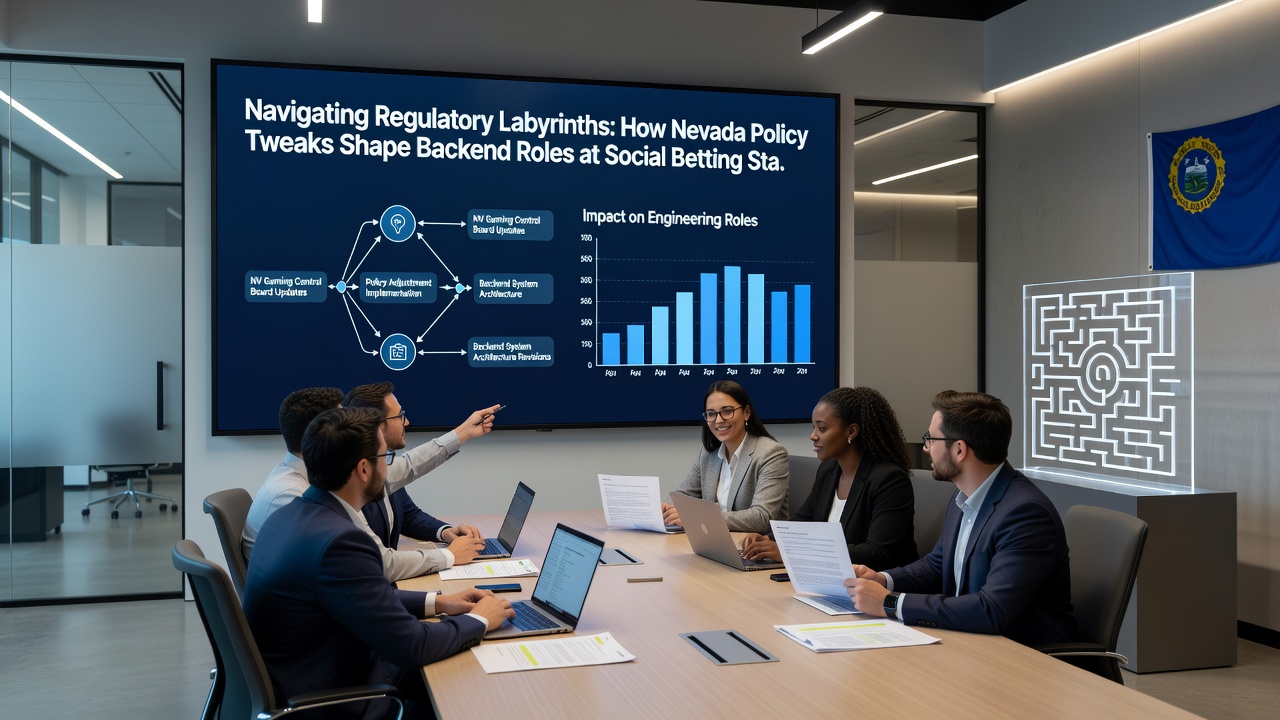
Policy adjustments in Nevada have created new demands for backend teams at social betting startups, where developers and compliance specialists handle everything from data encryption to reporting systems that align with state gaming rules. These companies build platforms allowing users to compete with friends on sports outcomes using virtual currency, yet they still intersect with real-money gaming regulations when they expand or partner with licensed operators.
Recent Policy Shifts and Their Scope
Nevada lawmakers refined several statutes in early 2025 that clarified how social gaming platforms must separate free-to-play mechanics from any paid features that could resemble wagering. The changes took effect gradually, with full implementation scheduled for July 2026, giving startups time to audit their codebases and update backend infrastructure. Observers note that the Nevada Gaming Control Board now requires detailed logs of user interactions, prize distributions, and geolocation verification even for non-monetary games when those platforms maintain partnerships with licensed sportsbooks.
Backend engineers therefore spend more hours designing systems that automatically flag potential compliance issues, such as rapid account creation patterns or unusual location data. One study from the University of Nevada, Las Vegas examined how similar rules affected earlier social casino operators and found that companies investing early in modular compliance modules reduced audit preparation time by roughly 30 percent.
Impact on Technical Hiring and Skill Requirements
Startups have adjusted job descriptions for backend roles to emphasize experience with secure data pipelines and automated reporting tools. Positions once focused purely on scalability now list familiarity with Nevada-specific audit trails as a preferred qualification. Teams recruit developers who understand both cloud architecture and the nuances of real-time transaction monitoring required by regulators.
Figures from the Nevada Department of Employment, Training and Rehabilitation show increased postings for software engineers in the gaming technology sector during 2025, with many listings highlighting regulatory knowledge alongside standard programming skills. Companies that previously outsourced compliance work now bring those functions in-house, creating hybrid positions where engineers collaborate directly with legal teams on system design.
Operational Adjustments in Practice
Daily workflows at these startups have shifted toward proactive monitoring rather than reactive fixes. Backend systems now include scheduled data exports that feed directly into regulatory portals, reducing manual reporting errors. Developers integrate geofencing libraries that update dynamically when new municipal boundaries receive approval, ensuring users remain within permitted areas during events.
Case examples from Reno-based firms reveal that engineers often maintain separate environments for testing policy changes before they reach production servers. This approach prevents service disruptions when new requirements appear in official bulletins from teh gaming control board. Staff training sessions now incorporate walkthroughs of recent enforcement actions so technical teams understand the practical consequences of non-compliance.
Industry Resources and Broader Context
Startups reference guidance from the Nevada Gaming Control Board when mapping new features, while larger industry reports from the American Gaming Association provide comparative data across multiple states. Research papers published by the International Center for Gaming Regulation at UNLV offer additional frameworks for evaluating how policy tweaks ripple through technical operations.
These resources help backend teams anticipate future adjustments rather than simply responding after rules change. Companies that track both state-level bulletins and academic analyses tend to adjust their architecture roadmaps earlier, maintaining smoother deployment cycles.
Conclusion
Nevada's evolving regulatory landscape continues to influence the structure and priorities of backend roles at social betting startups. Developers and compliance specialists now share overlapping responsibilities that blend technical implementation with ongoing regulatory awareness. As the July 2026 milestones approach, teams across the state refine their systems to meet clearer standards while supporting the growth of social gaming platforms.