Nevada Employment Trends Uncover Links Between Poker Phrase Development and Social Sports Wagering Networks
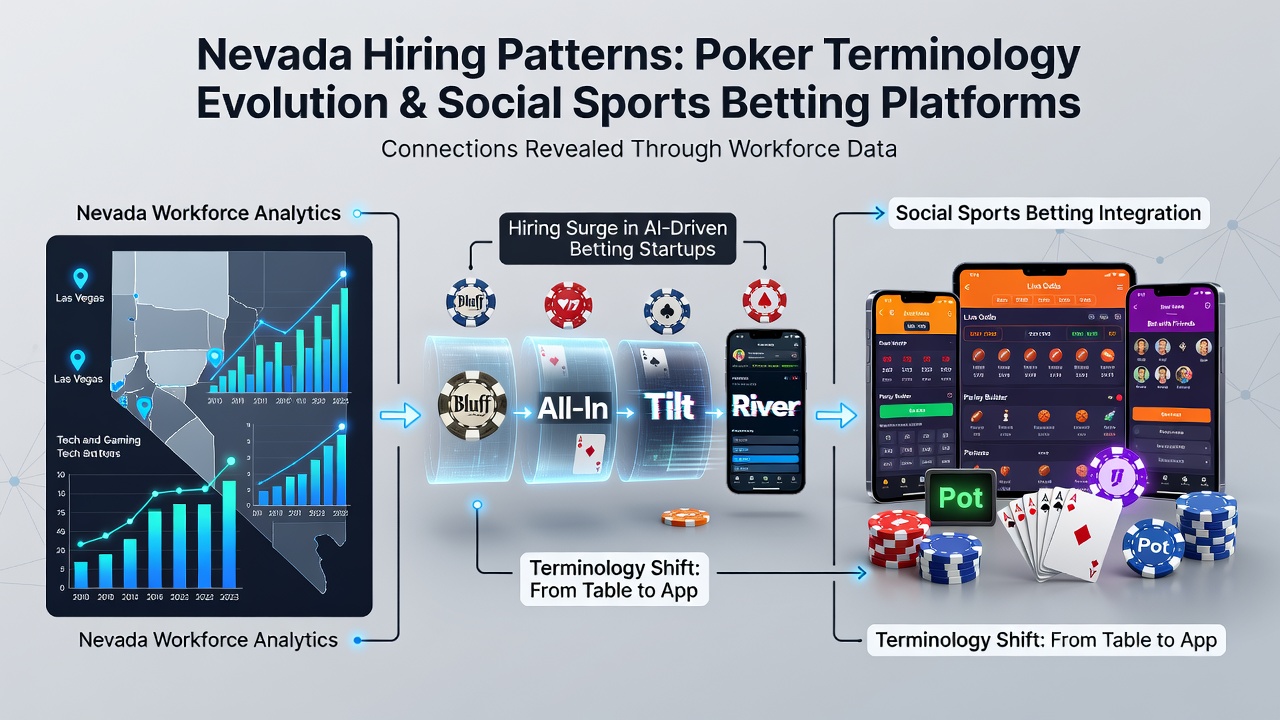
Nevada's labor market data reveals steady growth in positions tied to gaming technology and platform development, with employment figures from the Nevada Department of Employment showing a 12 percent increase in roles focused on digital betting infrastructure between 2024 and 2025. These patterns coincide with broader shifts in how poker terminology has moved beyond traditional card rooms into interactive social environments, where phrases once limited to live tables now appear in app-based features that encourage group participation in sports outcomes.
Tracing Poker Language Through Industry Expansion
Terms such as "bluff," "call," and "raise" originated in poker contexts but have found new applications in social sports betting platforms that allow users to share predictions and compete in virtual leagues. Hiring records from companies operating in Nevada indicate increased recruitment for content strategists and user experience designers who incorporate these expressions into interface elements, creating seamless transitions for players familiar with classic games. Observers note that this linguistic crossover accelerates when teams blend expertise from casino operations with software development skills, resulting in features that reward social sharing while drawing on established poker concepts for engagement mechanics.
Workforce Patterns and Platform Integration
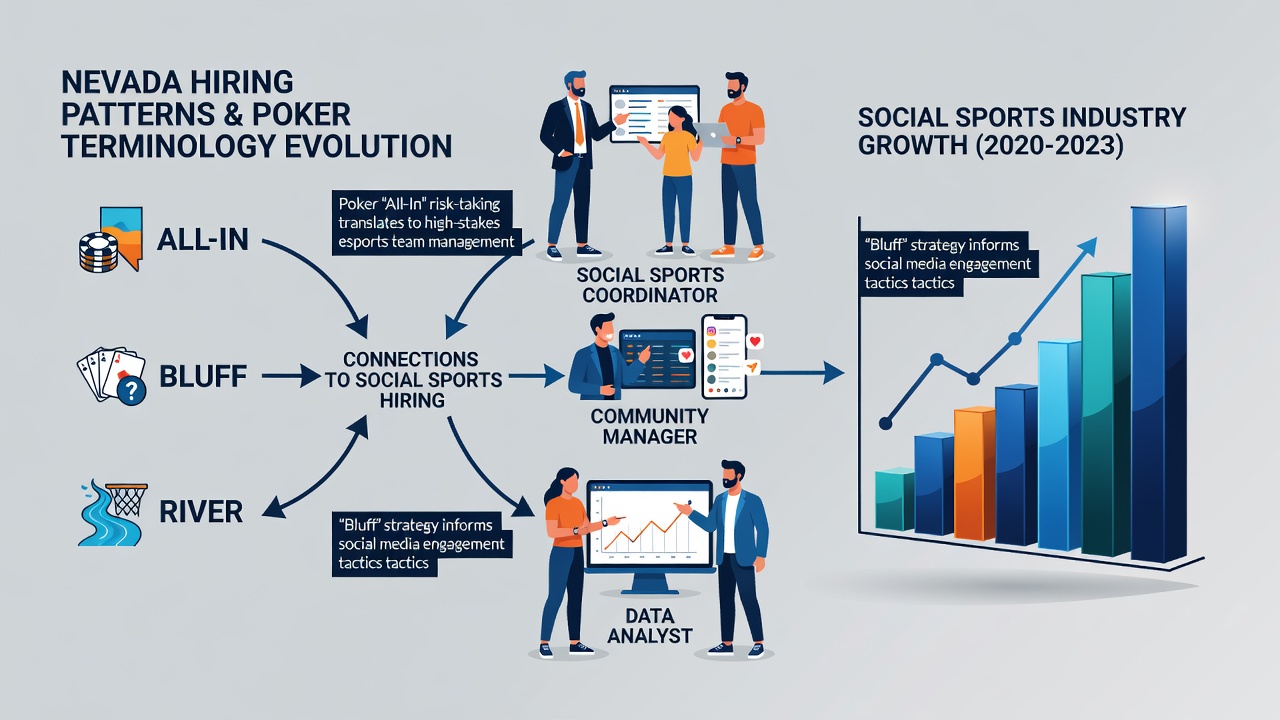
State employment statistics highlight clusters of new openings in areas like Sparks and Henderson, where firms develop applications that merge poker-inspired mechanics with live sports data feeds. These positions often require familiarity with evolving terminology, as teams adapt phrases like "all-in" for risk assessment tools or "river card" metaphors for final outcome reveals in group betting scenarios. Data indicates that companies posting such roles in early 2026 sought candidates with backgrounds in both linguistics and behavioral analytics, reflecting how terminology migration supports user retention across platforms. What's interesting is the way these hiring needs align with regulatory updates from the Nevada Gaming Control Board, which track how social features integrate into licensed betting environments without crossing into direct wagering categories.
One study from the University of Nevada, Las Vegas examined job postings over a three-year span and found that references to poker-derived language appeared in 28 percent more descriptions for social platform roles by mid-2025. This trend connects to the rise of apps that let friends form prediction pools around events, where shared vocabulary reduces onboarding friction and encourages repeated interaction.
June 2026 Developments in Regional Markets
By June 2026 employment reports from the Nevada Department of Employment documented further expansion in roles focused on cross-platform terminology standardization, coinciding with updates to social betting interfaces that introduced glossary tools drawn directly from poker heritage. These tools help users navigate features where group decisions mirror poker hand evaluations, such as collective risk levels or shared pot mechanics adapted for sports outcomes. Industry organizations like the American Gaming Association have published summaries noting that such integrations rely on workforce talent pools concentrated in Nevada, where proximity to established gaming operations provides practical context for language adaptation.
Researchers at Australian National University conducted parallel analysis of terminology usage across global markets and identified similar patterns, where poker phrases migrated into social features through localized hiring initiatives. Their findings show that regions with strong regulatory frameworks experience faster adoption when employment data reflects specialized skill clusters, much like those emerging in Nevada's tech corridors.
Regulatory Context and Terminology Adaptation
Connections between hiring patterns and language evolution become clearer when examining how platforms comply with state guidelines on social gaming distinctions. The Nevada Gaming Control Board maintains records of platform submissions that include terminology guidelines to ensure features remain within social parameters, avoiding overlap with licensed sports betting. Positions in compliance and localization frequently list requirements for understanding poker lexicon shifts, enabling teams to craft descriptions that resonate with users while meeting oversight standards. Evidence from these records suggests that companies with dedicated terminology teams report higher user engagement metrics, as familiar phrases lower barriers for participants transitioning from traditional poker settings.
Broader Industry Implications
Global comparisons reveal that Nevada's concentrated hiring activity accelerates the spread of poker terminology into social sports platforms more rapidly than in markets with dispersed gaming sectors. Canadian regulatory bodies, including those in Ontario, have referenced similar terminology integration in their annual industry reviews, highlighting how shared language supports cross-border user experiences. This geographic variation underscores the role of regional employment hubs in shaping how poker expressions evolve within digital environments focused on collective sports predictions.
Conclusion
Nevada's documented employment growth continues to intersect with the ongoing adaptation of poker terminology across social sports betting platforms, creating measurable ties between workforce composition and linguistic migration. State data, academic reviews, and regulatory filings together illustrate how these elements reinforce one another, with hiring priorities directly supporting the integration of established phrases into new interactive formats. As platform development persists into 2026 and beyond, these connections remain visible through ongoing shifts in both job markets and user-facing language features.