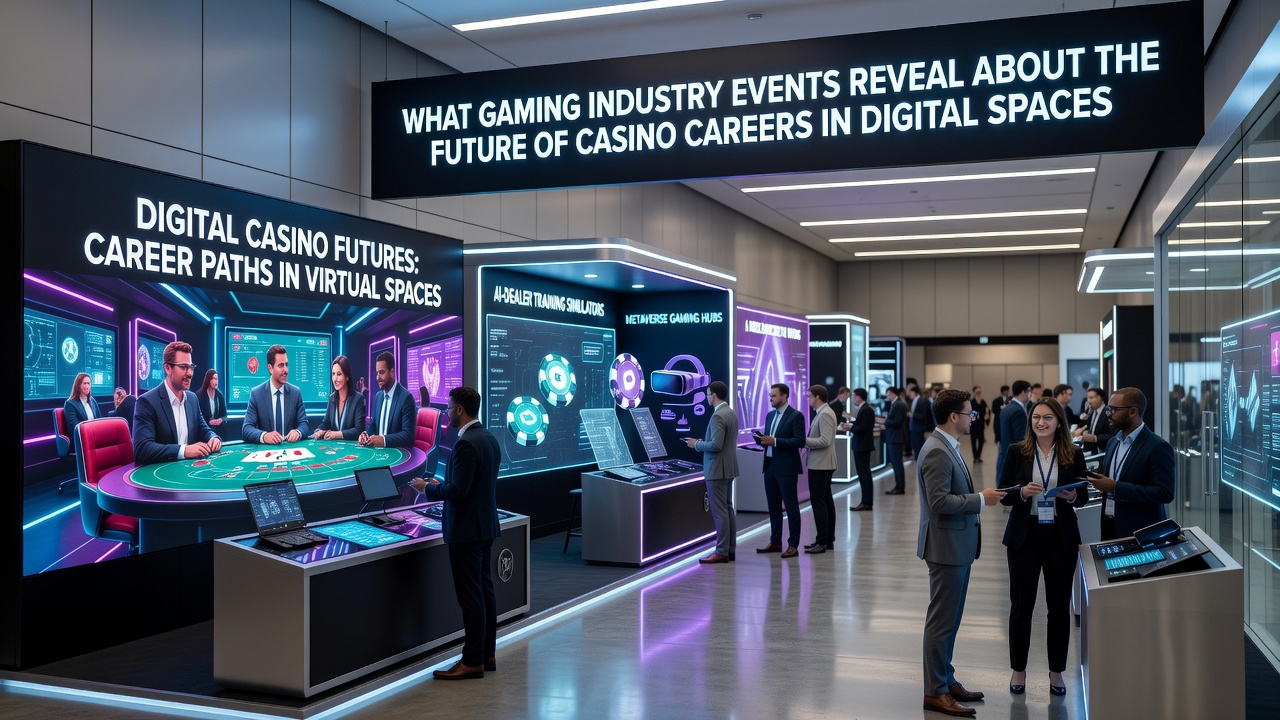
How Industry Gatherings Are Shaping Casino Job Opportunities in the Digital Era
Industry events across North America and Europe continue to highlight shifts in how casino professionals transition into digital environments, with data from recent gatherings showing increased demand for roles that blend traditional gaming knowledge with technology skills. Observers at these shows note that sessions on platform development and regulatory compliance draw consistent crowds, while attendance figures reveal growing interest in positions involving virtual reality interfaces and data analytics for player engagement.
Key Trends Emerging from Recent Trade Shows
Presentations at events like the Global Gaming Expo have featured reports indicating that digital casino platforms now require specialists in cross-border payment systems and artificial intelligence moderation tools. Figures from the American Gaming Association show employment in interactive gaming segments rose steadily between 2023 and 2025, with many new positions tied directly to skills demonstrated through live demonstrations at these conferences. And because trade show workshops often include case studies from operators in multiple jurisdictions, attendees gain exposure to varied regulatory frameworks that influence hiring patterns.
Researchers tracking career listings post-event have found spikes in openings for user experience designers who understand both land-based casino operations and mobile-first interfaces. These patterns appear consistently when organizers publish follow-up surveys, and they align with broader industry data on platform migrations.
Skill Sets Highlighted in July 2026 Programming
Programming schedules released for gatherings planned in July 2026 emphasize hands-on training in blockchain verification methods adn responsible gaming algorithms, areas that multiple operators have identified as priorities when expanding digital offerings. Participants at earlier editions observed that certification workshops on these topics led to direct recruitment activity, with companies posting positions immediately after sessions concluded. Data compiled by regional gaming authorities in Nevada and Ontario indicate that professionals holding such credentials advance more quickly into supervisory roles within online divisions.
Trade show panels also cover integration between social gaming mechanics and traditional slot frameworks, creating demand for marketers who can adapt promotional strategies across both environments. Those who've reviewed post-conference employment reports note that applicants with portfolios from these events often receive priority consideration during hiring cycles.
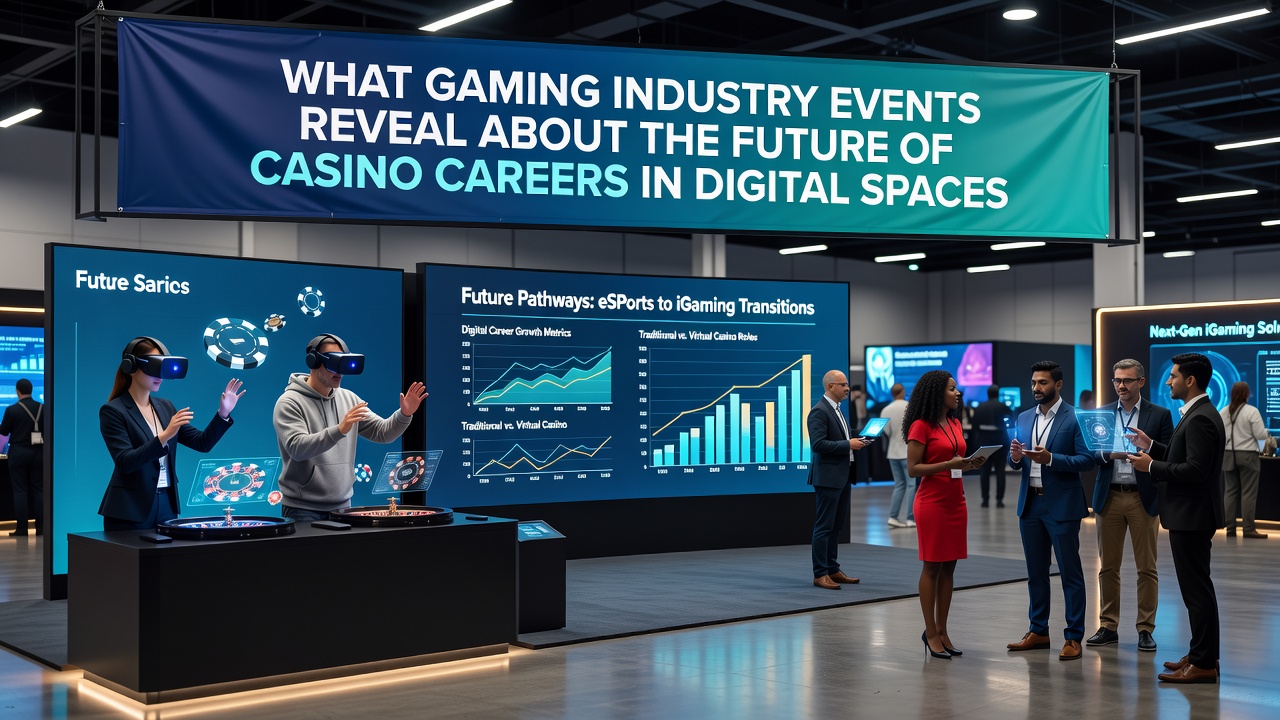
Regulatory and Geographic Influences on Career Mobility
Reports presented at European gaming summits reveal that licensing requirements in jurisdictions such as Malta and the Isle of Man now incorporate digital-specific competencies, prompting career counselors to recommend targeted upskilling for professionals relocating from traditional casino floors. Canadian data from iGaming Ontario shows similar patterns, where operators seek individuals familiar with both physical venue management and remote verification protocols. These regional variations appear regularly in event roundtables, and they help explain why certain certifications gain traction faster than others.
Networking sessions at these shows frequently connect job seekers with representatives from companies operating across borders, and follow-up statistics indicate that many placements result from contacts made during such interactions. Industry organizations tracking outcomes have documented how exposure to multiple regulatory models expands the range of available positions for qualified candidates.
Case Examples from Operator Expansions
One documented expansion by a major platform provider after a 2025 industry event led to the creation of thirty new digital compliance roles, with hiring focused on attendees who participated in specialized regulatory workshops. Similar outcomes occurred when another operator launched a virtual sports betting division, drawing talent from career fairs held alongside the main conference programming. These examples illustrate how events function as direct pipelines rather than单纯 information exchanges.
Academic studies from institutions examining labor markets in gaming sectors have corroborated these hiring surges, linking them to announcements made during major gatherings. The evidence points to sustained growth in hybrid positions that require both operational experience and digital fluency.
Conclusion
Events scheduled through 2026 continue to serve as indicators of where casino career paths are heading in digital spaces, with data consistently showing emphasis on technical proficiency alongside traditional expertise. Regulatory updates from various regions and operator announcements at these shows provide measurable signals about upcoming demand, allowing professionals to align their development with documented industry needs. The patterns established at recent gatherings suggest that ongoing participation will remain a practical route for tracking and accessing emerging opportunities in the sector.