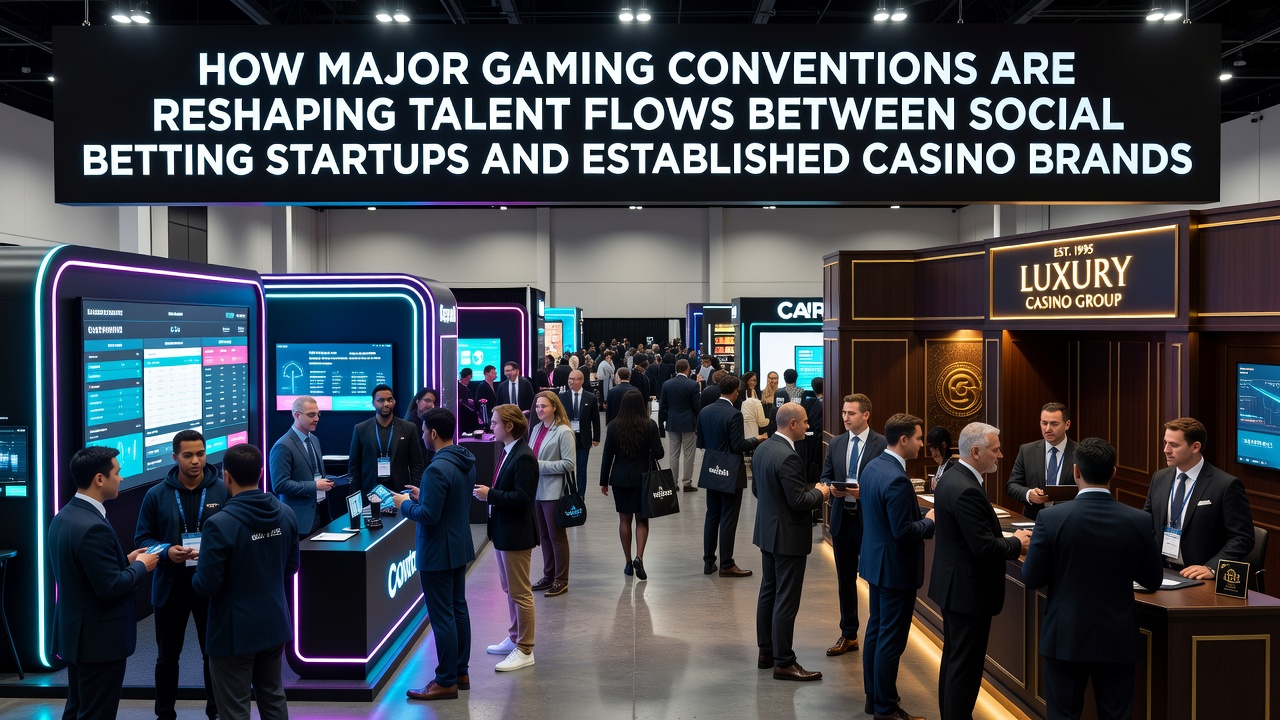
Gaming Conventions Accelerate Talent Exchanges Between Emerging Social Betting Firms and Established Casino Enterprises
Major gaming conventions have become central hubs where professionals from social betting startups and established casino brands connect, leading to measurable shifts in employment patterns across both sectors. Events such as the Global Gaming Expo in Las Vegas and ICE London draw thousands of attendees annually, creating environments where recruiters from legacy operators meet developers and marketers from newer social platforms, while talent scouts from startups identify experienced staff from traditional casinos. These gatherings facilitate direct conversations that often result in job transitions within months of the events concluding.
Networking Mechanisms at Scale
Conventions operate through structured sessions, exhibition halls, and after-hours mixers that place individuals from divergent company types in repeated proximity. A product manager handling real-money mechanics at a casino brand might discuss integration challenges with a counterpart from a social betting app during a panel on user engagement tools, and follow-up meetings frequently lead to offers for cross-sector roles. Data compiled by industry associations shows that recruitment activity spikes during these periods, with hiring managers reporting higher volumes of applications from attendees compared to standard recruitment channels. The overlap in required skills, particularly around mobile interfaces, real-time analytics, and community features, accelerates these movements because professionals can transfer expertise without extensive retraining.
Documented Movement Patterns Through 2026
Observers tracking employment records note consistent flows in both directions. Established brands such as those operating large resort properties in Nevada have hired developers previously working on social casino titles to enhance their digital offerings, while startups focused on friend-based betting mechanics have recruited compliance specialists and operations leads from brick-and-mortar operators. In July 2026, the schedule includes multiple overlapping events across North America and Europe that continue this cycle, with organizers reporting pre-registered attendance figures exceeding prior years. According to figures from the American Gaming Association, digital gaming employment grew steadily through the mid-2020s, and convention-driven networking accounts for a notable portion of that expansion as companies seek personnel familiar with both social mechanics and regulated environments.
One case tracked by recruitment analysts involved a small team from a European social betting platform that transitioned en masse to a U.S. casino operator's online division after meeting at an international trade show, bringing their knowledge of viral sharing features to a regulated product launch. Conversely, several marketing executives moved from long-standing casino groups into social startups seeking established player-retention strategies. These exchanges demonstrate how conventions compress timelines for talent identification that might otherwise require months of outreach.
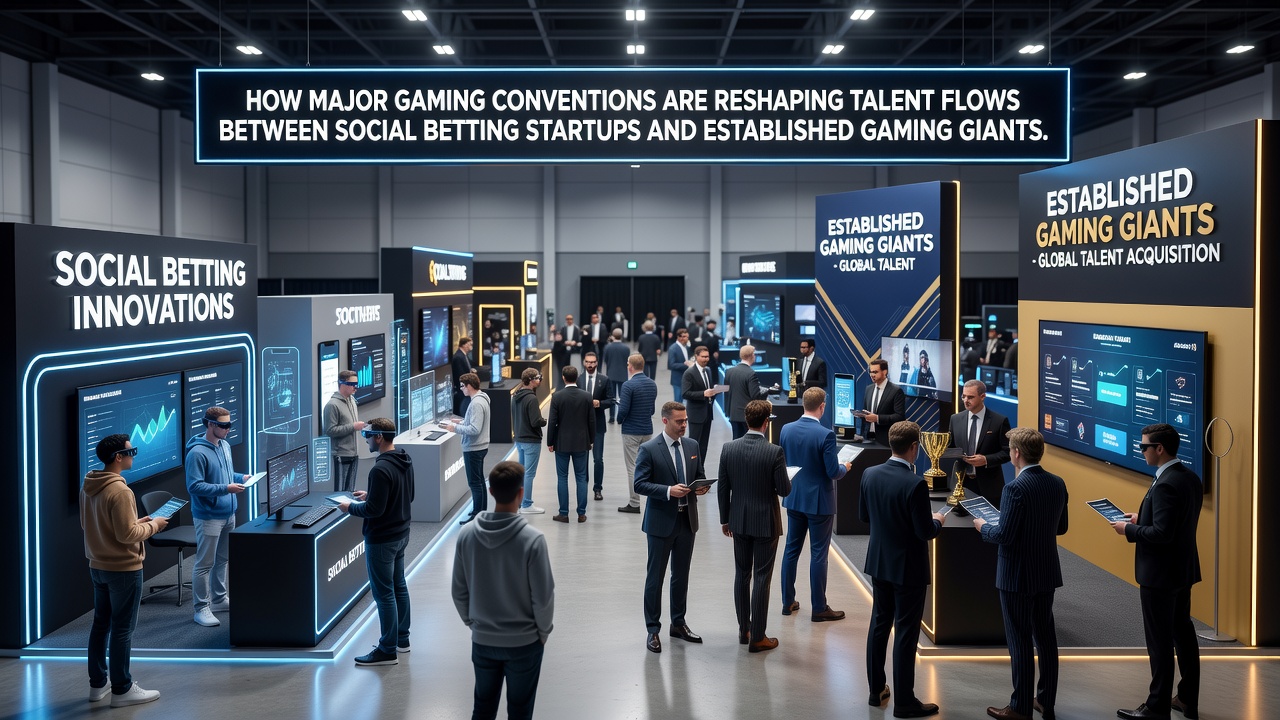
Skill Overlaps Driving Transitions
Both sectors rely on overlapping technical foundations including geolocation compliance, payment processing integrations, and gamification layers, which reduces barriers for professionals considering a move. Social betting startups often prioritize rapid iteration and community growth metrics, whereas established casino brands emphasize regulatory adherence and long-term customer lifetime value. Professionals who master elements of both approaches become particularly valuable during convention interactions, where they can demonstrate dual expertise through project examples shared in real time. Research from academic programs focused on hospitality and gaming management indicates that graduates with exposure to both environments advance faster when companies recruit at these events rather than through general job boards.
Regional Variations in Talent Flows
European conventions tend to highlight cross-border regulatory knowledge as a key attraction, drawing staff from UK-based operators toward continental startups and vice versa. North American gatherings emphasize integration between land-based loyalty programs and mobile social layers, prompting moves from tribal gaming enterprises into venture-backed apps. Australian and Canadian events add perspectives on responsible gaming tools that blend social features with traditional wagering oversight, creating additional pathways for specialists in those areas. Industry organizations such as the European Gaming and Betting Association track these patterns through member surveys, revealing that convention participation correlates with higher rates of inter-company mobility than digital-only networking.
Longer-Term Industry Effects
The cumulative result appears in organizational structures where teams increasingly contain individuals who have worked on both sides of the social-versus-regulated divide. This blending introduces hybrid product strategies, such as casino apps incorporating limited social sharing elements or social platforms adopting stricter age-verification protocols drawn from traditional operators. Recruitment data collected after major 2025 events already showed sustained hiring activity extending into the following year, suggesting conventions function as ongoing catalysts rather than isolated moments. Companies that maintain consistent presence at these shows report improved access to passive candidates who might not respond to direct solicitations.
Conclusion
Conventions continue to serve as primary catalysts for talent redistribution between social betting startups and established casino brands by concentrating relevant expertise in shared physical spaces where direct exchanges occur. The documented patterns through mid-2026 indicate these events will maintain their influence as long as skill overlaps persist and companies prioritize rapid adaptation across digital and regulated segments. Attendance figures and hiring metrics from multiple regions support the observation that these gatherings produce measurable employment shifts beyond what standard recruitment achieves.