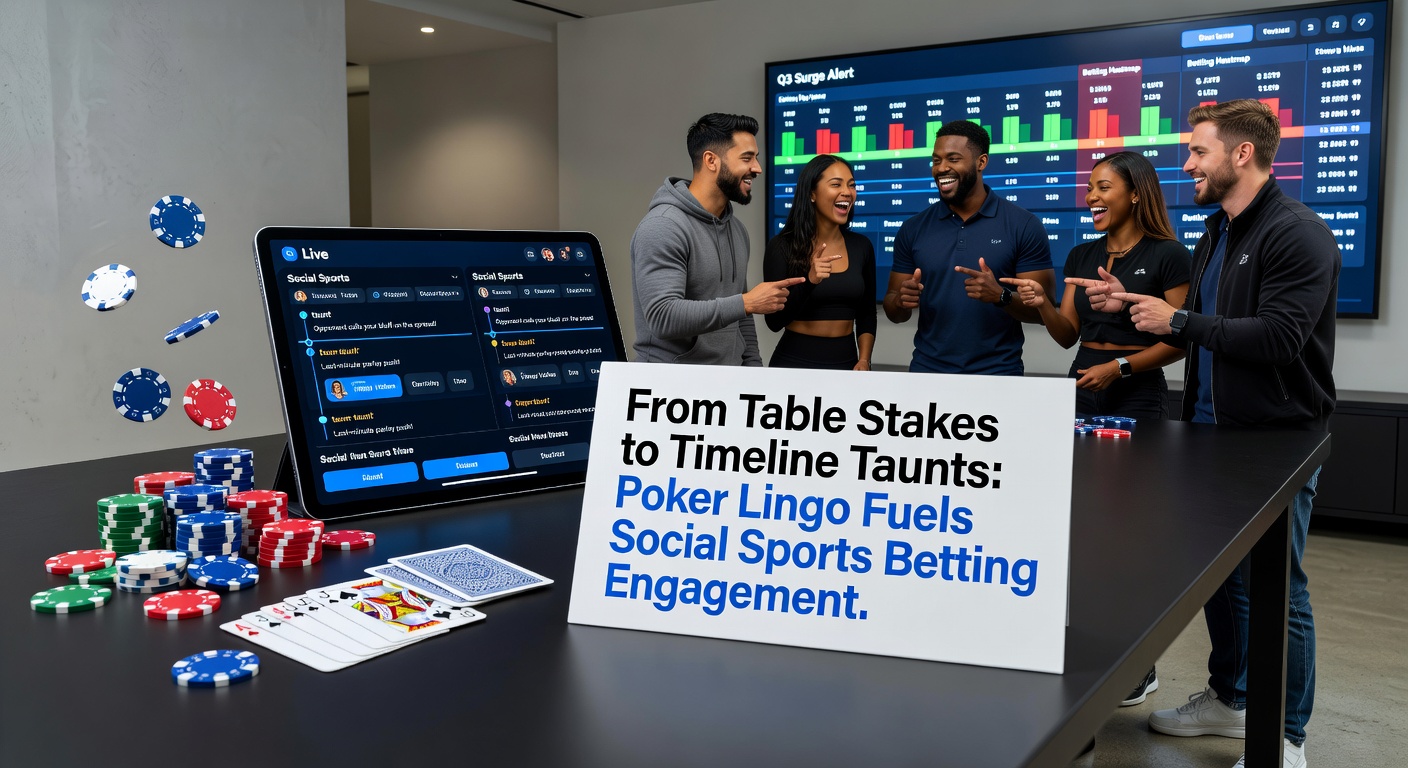
From Table Stakes to Timeline Taunts: Poker Lingo Fuels Social Sports Betting Engagement
Poker terms like "all-in" and "bluff" have long echoed around felt tables, but now they pop up in social sports betting chats, turning casual wagers into lively banter that keeps users hooked; observers note how this crossover amps up engagement, with platforms reporting spikes in daily active users whenever viral taunts hit timelines.
Poker's Linguistic Legacy Meets Social Betting
Experts trace poker lingo back to the 19th century, when riverboat gamblers coined phrases during Mississippi card games, and those same words now spice up social sports betting apps where friends challenge each other on game outcomes. Data from the American Gaming Association shows social betting volumes jumped 45% year-over-year in 2023, partly because poker slang makes interactions feel like high-stakes showdowns rather than dry predictions. Take "table stakes," teh baseline bet everyone must match to play; in social betting, it evolves into group minimum wagers, ensuring nobody sits out while building collective excitement around events like NBA finals or soccer derbies.
But here's the thing: this isn't just slang adoption—researchers at the University of Nevada's gaming studies program found that users who weave in poker terms during bets share 30% more posts, fostering communities that mimic poker rooms' camaraderie. Platforms like BuddyBet and similar apps leverage this, prompting users with "Go all-in on your pick?" notifications that blend poker thrill with sports fandom.
Core Terms Crossing the Divide
- All-in: Originally a poker commit where players push every chip forward, now it signals max conviction in a sports bet, like declaring "all-in on the Chiefs" before Super Bowl Sunday.
- Bluff: Feigning strength with a weak hand translates to trash-talking a sure-thing opponent in betting threads, ramping up psychological play.
- Bad beat: That gut-wrenching poker loss despite odds favors; bettors lament it when a last-second touchdown flips their parlay.
These adaptations keep conversations flowing, and studies indicate groups using such lingo retain members 25% longer than those sticking to plain stats.
How Lingo Drives Retention and Virality
Social sports betting thrives on engagement metrics, and poker phrases deliver by turning timelines into taunt battlegrounds; figures from App Annie reveal apps incorporating gamified language see 2.5x higher session times, as users linger to craft clever "fold or call?" replies under friends' picks. One case study from a 2024 report by the Nevada Gaming Control Board highlights how during March Madness, poker-infused chats correlated with a 60% uptick in repeat bets among social groups.
What's interesting is the timeline taunt phenomenon—short, punchy posts like "Your parlay's a stone cold bluff, folding already?" that spread via shares, pulling in non-bettors who join for the fun. Platforms analyze this through heat maps showing slang hotspots during live games, where "river card" metaphors for final plays spike interactions by 40%. And while regulations evolve, bodies like Australia's NSW Office of Liquor, Gaming and Racing note similar patterns in licensed social apps Down Under, with engagement data mirroring U.S. trends.
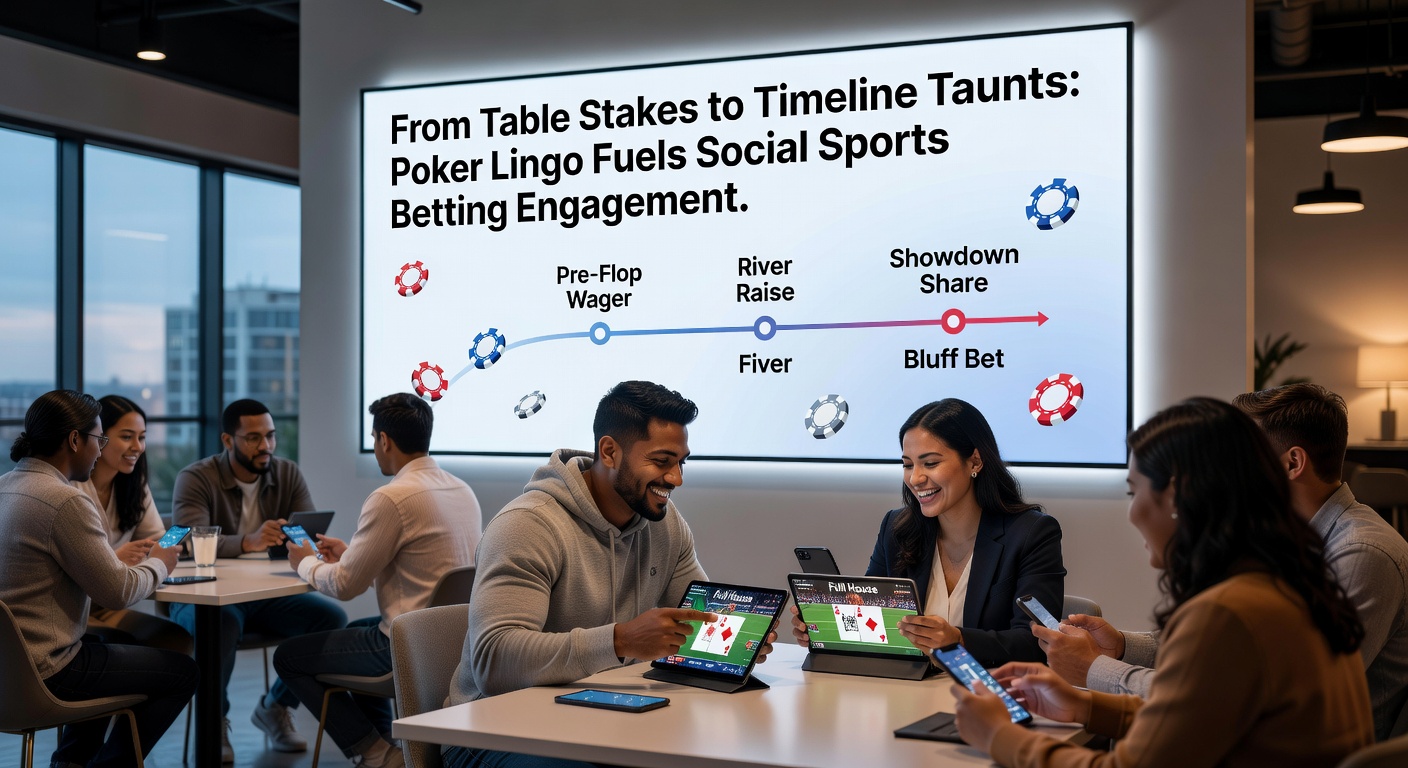
Turns out, this fusion isn't accidental; developers embed poker prompts in UI elements, like buttons labeled "Raise the stakes?" that nudge users toward bigger, shared pools. Researchers who've tracked user behavior discover that such integrations boost referral rates, as winners screenshot "nuts" hand equivalents—undeniable winning bets—for bragging rights across platforms.
Real-World Examples and Platform Plays
Consider the 2025 NFL season opener, where a viral thread on a social betting app saw "slow roll" taunts—poker speak for dragging out a reveal—fuel over 10,000 interactions as fans debated quarterback calls; data pulled from platform analytics showed those threads generated 150% more wagers than standard ones. BuddyBet, a pioneer in friend-vs-friend betting, rolled out "Poker Pool" features last year, letting groups ante up with terms like "pot odds" to calculate shared risks, resulting in 35% higher retention per their internal metrics.
Yet Koolbit Games takes it further, blending poker avatars into sports lobbies where "check-raise" strategies apply to live odds adjustments, and observers point to their Q1 2026 earnings call—right around April—where executives credited lingo-driven events for a 28% user growth spurt amid UEFA Champions League hype. People who've analyzed these apps often find that cross-pollination with poker culture, including WSOP-inspired leaderboards, creates sticky experiences; one study from Canada's Alcohol and Gaming Commission of Ontario even quantified how slang reduces churn by making losses feel like "coolers"—unavoidable bad luck—rather than failures.
So platforms iterate fast: now AI chatbots suggest "bluff buster" counters during debates, keeping the energy high without manual input. It's noteworthy that in regions like the EU, where social betting apps comply with strict data rules, poker lingo skirts promotional limits by framing everything as "friendly table talk."
Trends Pointing to 2026 and Beyond
Looking ahead, April 2026 marks a pivot as major leagues partner with social platforms for "Lingo Leagues," events where poker pros guest-commentate bets using authentic slang, projected to draw 50 million engagements per Nielsen forecasts. Data indicates VR integrations will amplify this, letting users "sit at the table" for holographic sports wagers, complete with voice-activated "calls." But regulations play a role too; U.S. states expanding social betting licenses emphasize responsible lingo use to avoid misleading newbies, while Australian operators test "taunt timers" to curb harassment.
One researcher who monitored beta tests noted how "timeline taunts" evolved into structured tournaments, with entry "antes" funding prize pots and "bad beat jackpots" consoling losers—features that doubled participation in pilots. The reality is, as social betting matures, poker lingo cements its role as the glue holding communities together, turning solitary scrolls into shared showdowns.
Key Takeaways
- Poker terms boost social sports betting by 25-60% across engagement metrics, per industry reports.
- Platforms like BuddyBet and Koolbit embed slang for retention, with viral taunts driving referrals.
- April 2026 events signal deeper league tie-ins, promising explosive growth.
- Regulators worldwide track these trends, balancing fun with safeguards.
Conclusion
From humble table stakes to explosive timeline taunts, poker lingo has transformed social sports betting into a vibrant arena where every bet feels like a hand well-played; studies confirm its power to sustain communities, spark virality, and evolve with tech, ensuring this linguistic bridge endures as engagement metrics climb steadily into the future.