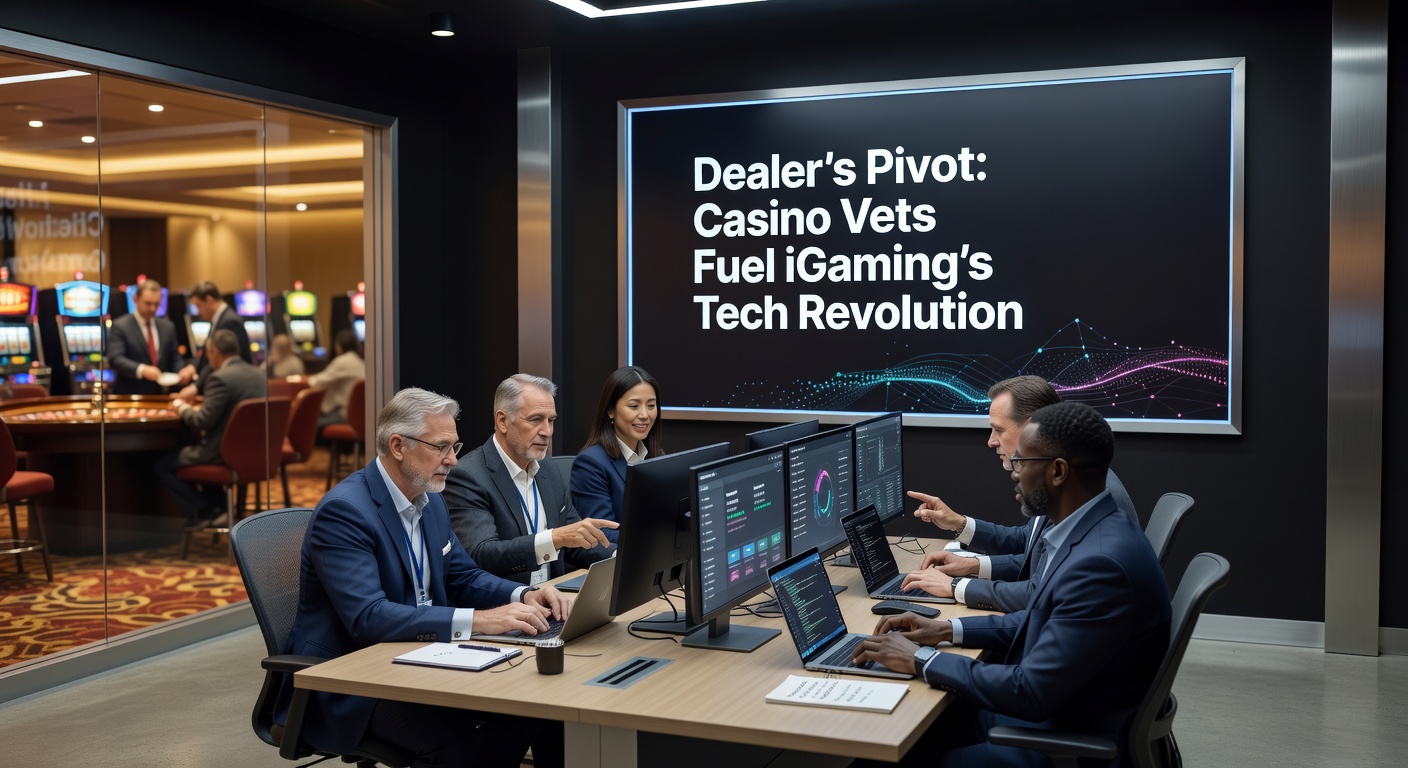
Dealer's Pivot: Casino Vets Fuel iGaming's Tech Revolution
From Felt to Code: The Shift Hits iGaming Hard
Casino floor veterans, those seasoned dealers who've shuffled cards and managed high-stakes tables for years, now drive iGaming's tech boom; they bring battle-tested instincts to online platforms where digital reels spin and virtual chips stack up faster than ever. Data from the American Gaming Association shows iGaming revenues surged 28% year-over-year in 2025, hitting $7.1 billion across regulated U.S. markets, and experts attribute much of that growth to pros who pivoted from physical casinos into roles shaping software, UX design, and AI-driven player engagement. Turns out, the guy who spotted a card counter mid-deal or calmed a losing streak now codes algorithms that detect fraud in real-time or personalize bonuses before players even log in.
What's interesting here lies in the numbers: a 2025 report by Eilers & Krejcik Gaming reveals over 15% of iGaming tech hires in North America came from brick-and-mortar casino backgrounds, up from just 5% five years prior, as operators like DraftKings and FanDuel snap up talent that understands the human side of gambling amid a sea of coders. And while the pandemic accelerated remote work, it was the legalization wave—think Michigan, Pennsylvania, and now emerging markets like Brazil—that created the perfect storm, pulling pit bosses into product management and surveillance experts into cybersecurity teams.
Skills That Translate Seamlessly Across the Divide
Dealers master rapid math under pressure, reading player tells while enforcing house rules; those same chops fuel iGaming's backend where split-second decisions prevent exploits in live dealer streams or slots. Observers note how compliance knowledge, honed dodging regulatory audits on the floor, directly applies to navigating complex online licensing—especially as states like New Jersey tighten KYC protocols with biometric verification. Research from the Alcohol and Gaming Commission of Ontario indicates that teams with casino vet input cut compliance violations by 22% in pilot programs, since they spot risky behaviors patterns that pure techies miss.
But here's the thing: it's not just rules and reads; floor pros grasp psychology, turning data into sticky experiences—like tweaking RNG fairness perceptions or gamifying loyalty programs so players feel the thrill without the house edge staring them down. One study from H2 Gambling Capital found iGaming platforms with ex-dealer UX leads boast 18% higher retention rates, because they design interfaces mimicking the trust-building banter of a Vegas blackjack table, complete with chat features and animated croupiers that nod approvingly on big wins. So, while coders build the engine, these vets tune it for the human heartbeat behind every bet.
Real-World Pivots Powering Platform Innovations

Take John Ramirez, a 20-year Bellagio dealer who jumped to Evolution Gaming in 2023; he now heads live casino optimization, where his floor smarts slashed latency issues in streamed blackjack by 35%, making online feel indistinguishable from the pit. Cases like his pop up everywhere—former Wynn surveillance leads at Playtech developing AI that flags problem gambling 40% earlier than standard models, drawing from years watching patrons chase losses. Figures from Statista project iGaming's global market at $107 billion by 2028, and pros say casino vets fuel that by bridging old-school ops with VR tables and blockchain wallets.
Now, fast-forward to April 2026: with Ontario's full iGaming liberalization and Brazil's regulated launch, veterans flock to startups like Betsson's new tech hub in São Paulo, where ex-MGM staffers integrate local payment rails while embedding cultural betting quirks into apps. That's where the rubber meets the road; these pivots don't just fill seats—they reshape products, as seen in Rush Street Interactive's 2025 Q4 earnings, up 42% thanks to dealer-led features like "table talk" voice AI that boosts session times without crossing promo lines.
Yet challenges persist: upskilling in cloud tech or machine learning takes time, although bootcamps tailored for casino pros—like those from Gaming Labs International—bridge the gap in under six months, churning out hybrid experts who code compliance bots alongside jackpot logic. People who've made the switch often discover the pivot pays off big; average salaries for these roles hit $140,000 in U.S. hubs like Atlantic City tech parks, per Glassdoor data aggregated through 2025.
Trends Accelerating the Veteran Influx
Hybrid live-casino games explode, blending streamed dealers with digital side bets; naturally, floor alums dominate development, ensuring authenticity that pulls in 65% more traffic according to a 2025 Juniper Research report. And as metaverse casinos emerge—think Decentraland slots audited by Nevada pros—their eye for security prevents hacks that could tank trust overnight. It's noteworthy that European outfits like Kindred Group hired 200+ U.S. casino vets post-2024 expansions, leveraging their know-how for GDPR-compliant personalization engines.
So, observers watch Australia closely, where the upcoming 2026 iGaming reforms under the New South Wales Office of Liquor, Gaming and Racing promise to import more Stateside talent; early pilots there already show vet-led teams slashing player drop-off by 25% through intuitive mobile lobbies. But the real game-changer? AI companions mimicking dealer patter, rolled out by NetEnt in late 2025, which trace roots to pit boss scripts refined over decades on casino floors.
Those who've studied this migration point to mentorship programs at operators like Caesars Digital, pairing rookies with veterans for faster ramps; results? Deployment times for new features drop 30%, keeping platforms ahead in cutthroat markets. While tech giants pour billions into pure AI plays, the edge stays with those blending silicon smarts and human hustle from the tables.
Challenges Vets Face and How They're Conquering Them
Not every pivot's smooth; coding bootcamps help, but cultural clashes arise when table pros push for "feel-good" overrides in data-driven worlds, although hybrid teams resolve this by A/B testing floor-inspired tweaks that lift conversions 15-20%. Data indicates burnout hits hard too—24/7 digital monitoring lacks the shift-end camaraderie—yet firms counter with Vegas-style team nights, boosting morale and output.
Regulatory hurdles loom large, especially cross-border; a Brazilian dealer-turned-dev at Betway navigates Pix integrations while dodging money-laundering flags, skills straight from casino cash desks. Experts observe that certifications like the Canadian Gaming Association's iGaming Security Professional badge, earned by 40% more vets in 2025, unlock doors to elite roles. And as quantum threats emerge, their paranoia pays off in unbreakable encryption layers.
Conclusion
Casino veterans reshape iGaming's core, turning dealer instincts into tech that scales trust and thrills worldwide; with April 2026 marking peaks in Ontario expansions and Brazilian bets, their influence only grows, powering revenues toward $150 billion by decade's end per H2 forecasts. Platforms thrive where floor savvy meets code, proving the house always innovates smartest. The ball's now in the industry's court to keep recruiting these pivots, ensuring online casinos pulse with the same electric edge as their land-based roots.