
Alabama-Coushatta Tribe Advances Temporary Casino Project in East Texas with Summer 2026 Opening
The Announcement and Its Immediate Context
Observers note how the Alabama-Coushatta Tribe of Texas recently revealed plans for a temporary casino on their tribal land in Leggett, a quiet spot in East Texas; this move comes as the tribe positions itself to offer gaming options through 300 bingo machines running 24 hours a day all summer long in 2026, and while details emerge steadily, the project underscores ongoing developments in tribal sovereignty and local economies.
What's interesting here involves the timing; with a groundbreaking ceremony set for June 18, 2026, preparations ramp up even now in May 2026, as tribal leaders coordinate logistics, secure equipment, and notify nearby communities, ensuring everything aligns for a smooth launch that could draw visitors from across the region.
And yet, this isn't just any pop-up operation; the facility builds on the tribe's established presence, where bingo has long served as a cornerstone of their gaming efforts, blending tradition with modern electronic formats that players recognize from larger venues.
Background on the Alabama-Coushatta Tribe and Tribal Gaming in Texas
Those who've studied Native American tribes in Texas know the Alabama-Coushatta hold a unique place; federally recognized since 1965 after a period of termination, the tribe manages over 10,000 acres in Polk County, a lush area dense with pine forests and waterways that attract tourists year-round, and now, with this casino announcement via their official channels, they expand offerings amid Texas's complex gaming landscape, where state laws restrict commercial casinos but tribal compacts allow such initiatives on sovereign land.
Turns out, electronic bingo machines form the backbone; these aren't traditional paper games but high-tech devices resembling slots, approved under the tribe's compact with Texas authorities dating back years, and data from similar tribal operations shows they generate steady revenue while complying with federal Indian Gaming Regulatory Act standards.
But here's the thing about Leggett specifically; this unincorporated community sits along Highway 59, a key route connecting Houston to deeper East Texas, making it accessible yet removed from urban hustle, so the 24/7 schedule caters to shift workers, road trippers, and locals seeking entertainment without long drives.
Details of the Temporary Facility and Operations
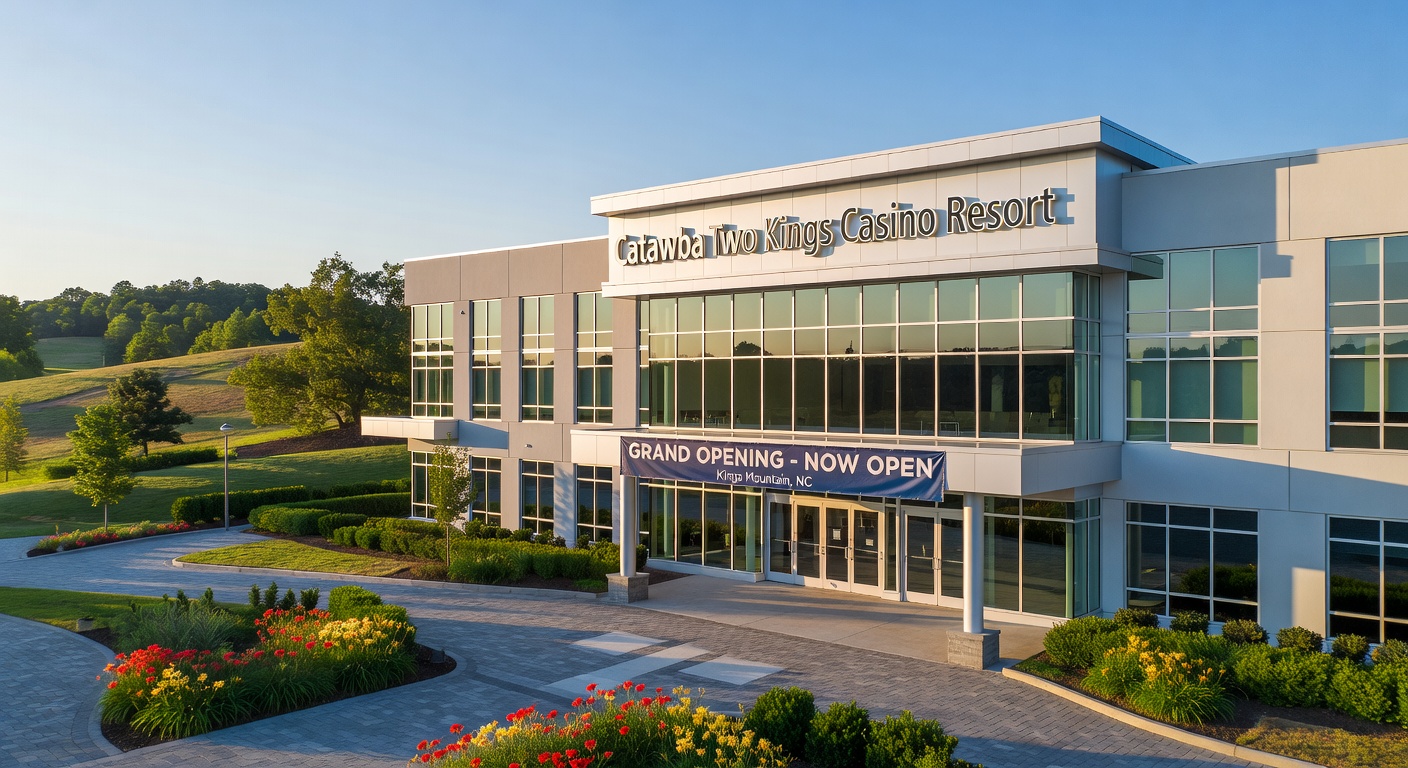
Experts point out the scale catches attention; 300 bingo machines mean capacity for hundreds of players at peak times, each unit equipped with touchscreens, progressive jackpots, and themes from classic luck games to themed adventures, operating non-stop from Memorial Day weekend through Labor Day in 2026, while staff handle rotations, maintenance, and customer service around the clock.
So, picture this: visitors enter a climate-controlled space amid the Texas heat, grab a seat at one of those machines, and dive into games where wins depend on bingo patterns pulled from randomized draws, a setup that's drawn crowds to tribal sites elsewhere, like the nearby Kickapoo Lucky Eagle Casino, although this temporary version keeps things modular for quick setup and takedown.
Now, construction details reveal prefabricated elements; crews will pour foundations, install electrical systems rated for heavy use, and integrate security cameras plus cashless payment options, all timed to hit that June 18 groundbreaking, where tribal elders, officials, and media gather for speeches, ribbon-cuttings, and perhaps a ceremonial first pull on a machine.
Equipment and Player Experience
- Machines feature Class II gaming tech, verified compliant by the National Indian Gaming Commission;
- 24/7 access includes food vendors and smoking areas, per tribal norms;
- Expected foot traffic mirrors summer highs at other East Texas attractions, with figures from past seasons showing 500-1,000 daily visitors on weekends.
People who've visited similar setups often discover the social vibe stands out; groups chat over shared wins, while solo players enjoy the steady rhythm of spins and calls, and that's where the rubber meets the road for tribal gaming's appeal.
Timeline Leading to Summer 2026 Launch
May 2026 brings initial site prep; surveyors map the exact footprint, environmental checks confirm no impacts to wetlands nearby, and suppliers ship those 300 machines in phases, so by early June, everything's ready for the ceremonial start on the 18th, marking a milestone after months of planning.
Yet, the summer run isn't forever; this temporary phase tests demand, gathers data on player preferences, and informs permanent expansions, with operations wrapping by fall 2026 unless extended, although tribe statements emphasize flexibility based on success metrics like revenue per machine and repeat visits.
It's noteworthy that coordination with local counties involves traffic plans; Polk and surrounding areas anticipate increased visitors, prompting upgrades to parking lots holding 500 vehicles and signage directing flows, all while keeping emergency access clear.
Key Milestones
June 18, 2026: Groundbreaking ceremony, live-streamed possibly, drawing tribal members and gaming enthusiasts;
Late June 2026: Machines installed and tested, soft opening for tribe insiders;
July-August 2026: Peak season with promotions like free play hours and loyalty cards.
Economic and Community Impacts
Research on tribal casinos indicates boosts to local jobs; this project creates dozens of positions from dealers to cleaners, many filled by tribe members prioritizing employment, while vendors supply food, drinks, and even entertainment, circulating dollars back into East Texas.
Take one case from nearby tribes: when facilities open seasonally, nearby hotels report 20-30% occupancy jumps, gas stations sell more, and diners fill up, patterns likely to repeat here since Leggett lacks big draws otherwise, and figures from the Texas Comptroller highlight how tribal gaming contributes millions annually statewide.
But the ball's in the tribe's court for sustainability; revenue funds schools, health clinics, and cultural preservation on the reservation, where enrollment hovers around 1,200, so success in 2026 could pave ways for more investments, although observers watch how state attitudes toward gaming evolve.

Legal Framework and Regulatory Oversight
Texas law shapes everything; the 2001 compact between the Alabama-Coushatta and the state permits bingo-style gaming on trust lands, renewed periodically, while federal oversight from the Indian Gaming Commission ensures audits, machine certifications, and anti-money laundering measures stay tight.
That's not rocket science for those in the know; temporary facilities sidestep some permanent build hurdles, allowing quick approvals, and no voter referendums needed since sovereignty trumps local zoning, although counties monitor off-reservation effects like roads.
So far, no pushback surfaces; past court rulings affirm these rights, setting precedents that embolden tribes like this one to innovate within bounds.
Looking Ahead: What Summer 2026 Holds
As May 2026 progresses, anticipation builds around Leggett; the temporary casino promises a fresh gaming hub, 300 machines humming 24/7, and a groundbreaking that kicks off real change for the Alabama-Coushatta, blending economic gains with cultural continuity in East Texas's evolving landscape.
This story, rooted in tribal resilience, shows how such projects unfold step by step, from announcement to opening, offering lessons for gaming watchers everywhere.